
Call us for any question
8500003104Meds Super Speciality Hospital
MallepallyTimings: 7 pm to 10 pm
mohammed4248asif@gmail.com



Blog s
Cholesterol Levels: Safe HDL & LDL Ranges for Heart Health
Updated at: 25 Feb 2026
Heart disease remains one of the leading causes of death worldwide. In India, rising cases of diabetes, hypertension, obesity, and stress have made cholesterol monitoring more important than ever. Understanding safe HDL and LDL cholesterol ranges can significantly reduce your risk of heart attack and stroke.
If you are looking to protect your heart, consulting a Best Cardiologist in Hyderabad for regular cholesterol screening and preventive care can make a life-saving difference.
Table of Contents
-
What Is Cholesterol?
-
HDL vs LDL – Understanding the Difference
-
Safe HDL & LDL Cholesterol Ranges
-
Why High LDL Is Dangerous
-
Benefits of Healthy HDL Levels
-
Causes of High Cholesterol
-
How to Improve Cholesterol Naturally
-
When to Consult a Cardiologist in Hyderabad
-
FAQs
-
Conclusion
What Is Cholesterol?
Cholesterol is a fatty substance present in your blood. It plays a vital role in hormone production and cell structure. However, excess cholesterol can accumulate in artery walls, causing narrowing and blockage — a major cause of heart disease.
This condition can eventually lead to:
-
Heart attack
-
Stroke
-
Peripheral artery disease
-
Hypertension
Regular screening with a Heart Specialist in Hyderabad is crucial to prevent complications.

HDL vs LDL – Understanding the Difference
Cholesterol travels through the bloodstream via lipoproteins:
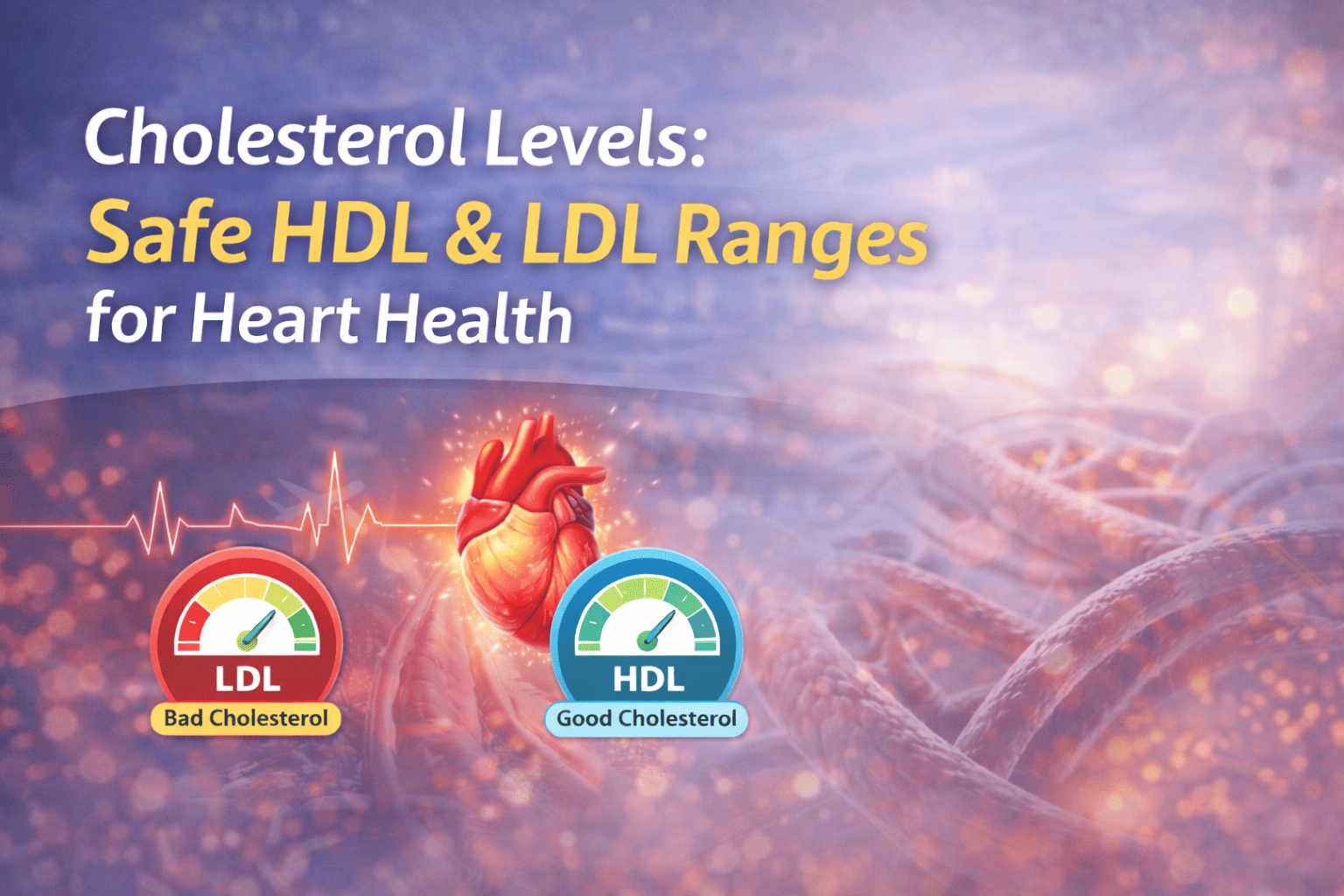
LDL (Low-Density Lipoprotein) – “Bad Cholesterol”
LDL contributes to plaque buildup in arteries. High LDL levels increase the risk of blocked arteries and heart attack. Controlling LDL is a primary goal in cardiac prevention.
HDL (High-Density Lipoprotein) – “Good Cholesterol”
HDL helps remove excess cholesterol from the bloodstream. Higher HDL levels are associated with reduced cardiovascular risk.
A qualified Cardiologist in Hyderabad evaluates both HDL and LDL to assess your overall heart health risk.

Safe HDL & LDL Cholesterol Ranges
Knowing your numbers is essential.
Total Cholesterol
-
Desirable: Below 200 mg/dL
-
Borderline High: 200–239 mg/dL
-
High: 240 mg/dL and above
LDL (Bad Cholesterol)
-
Optimal: Below 100 mg/dL
-
Borderline High: 130–159 mg/dL
-
High: 160 mg/dL and above
HDL (Good Cholesterol)
-
Protective: 60 mg/dL and above
-
Risk Level: Below 40 mg/dL (men), below 50 mg/dL (women)
Maintaining optimal LDL and HDL levels significantly reduces the risk of cardiovascular events.
Why High LDL Is Dangerous
High LDL cholesterol causes plaque buildup in artery walls. Over time, these plaques restrict blood flow to the heart.
If a plaque ruptures, it can form a clot that completely blocks the artery — resulting in a heart attack or stroke.
Many patients do not experience symptoms until severe blockage occurs. That is why regular evaluation by a Top Heart Specialist in Hyderabad is recommended, especially for individuals with diabetes, hypertension, or family history of heart disease.
Benefits of Healthy HDL Levels
HDL works as a protective mechanism by clearing excess cholesterol from the bloodstream. Higher HDL levels help:
-
Reduce heart attack risk
-
Improve blood vessel function
-
Lower stroke risk
Lifestyle modifications guided by a Heart Specialist in Hyderabad can help improve HDL levels naturally.
Causes of High Cholesterol
Common causes include:
-
Unhealthy diet (high saturated fats)
-
Lack of physical activity
-
Obesity
-
Smoking
-
Alcohol consumption
-
Diabetes
-
Genetic factors
-
Chronic stress
Early consultation with a Best Cardiologist in Hyderabad helps identify risk factors and prevent long-term damage.
How to Improve Cholesterol Naturally
In many cases, cholesterol can be managed with lifestyle changes:
-
Eat fiber-rich and heart-healthy foods
-
Exercise regularly (30 minutes daily)
-
Maintain ideal body weight
-
Quit smoking
-
Limit alcohol
-
Manage stress
However, some patients may require medication under medical supervision by a qualified Cardiologist in Hyderabad.
When to Consult a Cardiologist in Hyderabad
You should see a Heart Specialist in Hyderabad if:
-
Your LDL is above 130 mg/dL
-
You have diabetes or high blood pressure
-
You have a family history of heart disease
-
You experience chest discomfort or breathlessness
-
You are above 35 years with lifestyle risk factors
Early detection can prevent life-threatening complications.
Frequently Asked Questions (FAQs)
How often should cholesterol be checked?
Adults above 20 years should check cholesterol every 4–6 years. High-risk individuals may require annual testing.
Can cholesterol be controlled without medication?
Mild elevations can often be controlled through lifestyle changes. Severe or persistent cases may require medication prescribed by a cardiologist.
Is HDL more important than LDL?
Both are important. However, high LDL significantly increases cardiovascular risk, while high HDL provides protective benefits.
Can young adults have high cholesterol?
Yes. Sedentary lifestyle, poor diet, and genetics can cause high cholesterol even in younger individuals.
Conclusion
Maintaining safe HDL and LDL cholesterol levels is essential for long-term heart health. High LDL levels increase the risk of heart attack and stroke, while healthy HDL levels provide protection against cardiovascular disease.
Regular screening, healthy lifestyle changes, and timely medical consultation are key to prevention. If you are looking for expert guidance, consulting the Best Cardiologist in Hyderabad ensures accurate diagnosis and personalized treatment.
For comprehensive cholesterol management and advanced cardiac care, Dr. Mohammad Asif S, a highly respected Cardiologist in Hyderabad and recognized Top Heart Specialist in Hyderabad, provides expert evaluation, preventive cardiology services, and evidence-based treatment plans tailored to each patient’s needs.
Protect your heart today — early action saves lives.
Comments

Be the first to Comment
Latest Post
-
⇨What Is Angioplasty? Types, Procedure, Risks & Recovery
-
⇨How to Differentiate Heartburn from a Heart Attack
-
⇨ECG Test Explained What It Detects How to Read Your Report and When You Need One
-
⇨What Are Heart Palpitations Causes Symptoms and When to Worry
-
⇨Pacemaker Implantation: Everything You Need to Know About This Life-Saving Heart Procedure
-
⇨10 Essential Lifestyle Changes for a Healthy Heart
-
⇨Age-Wise Heart Health Guide: Protecting Your Heart in Your 30s, 40s, and 50s
-
⇨Who Is Eligible for a TAVR Procedure? Signs, Symptoms & Benefits Explained
-
⇨5 Reasons to Watch Your Weight for a Healthier Heart
-
⇨How Smoking Affects Your Heart and Blood Vessels
-
⇨Why Heart Attacks Are Becoming Common in Desk Job Employees
-
⇨Diabetes and Heart Health: Risks, Symptoms & Prevention Tips
-
⇨Work Stress & Heart Disease: Warning Signs, Risks, and Prevention Tips
-
⇨When Should You Consult a Cardiac Surgeon in Hyderabad?
-
⇨Heat and Heart Health: What You Need to Know This Summer
-
⇨Angioplasty Treatment in Hyderabad – Complete Guide
-
⇨Best Interventional Cardiologist in Hyderabad for Acute Heart Failure Treatment
-
⇨Foods to Be Avoided by Heart Patients
-
⇨Cholesterol Levels: Safe HDL & LDL Ranges for Heart Health
-
⇨The Ultimate Guide to Finding the Best Cardiologist in Hyderabad

Leave a reply