
Call us for any question
8500003104Meds Super Speciality Hospital
MallepallyTimings: 7 pm to 10 pm
mohammed4248asif@gmail.com



Blog s
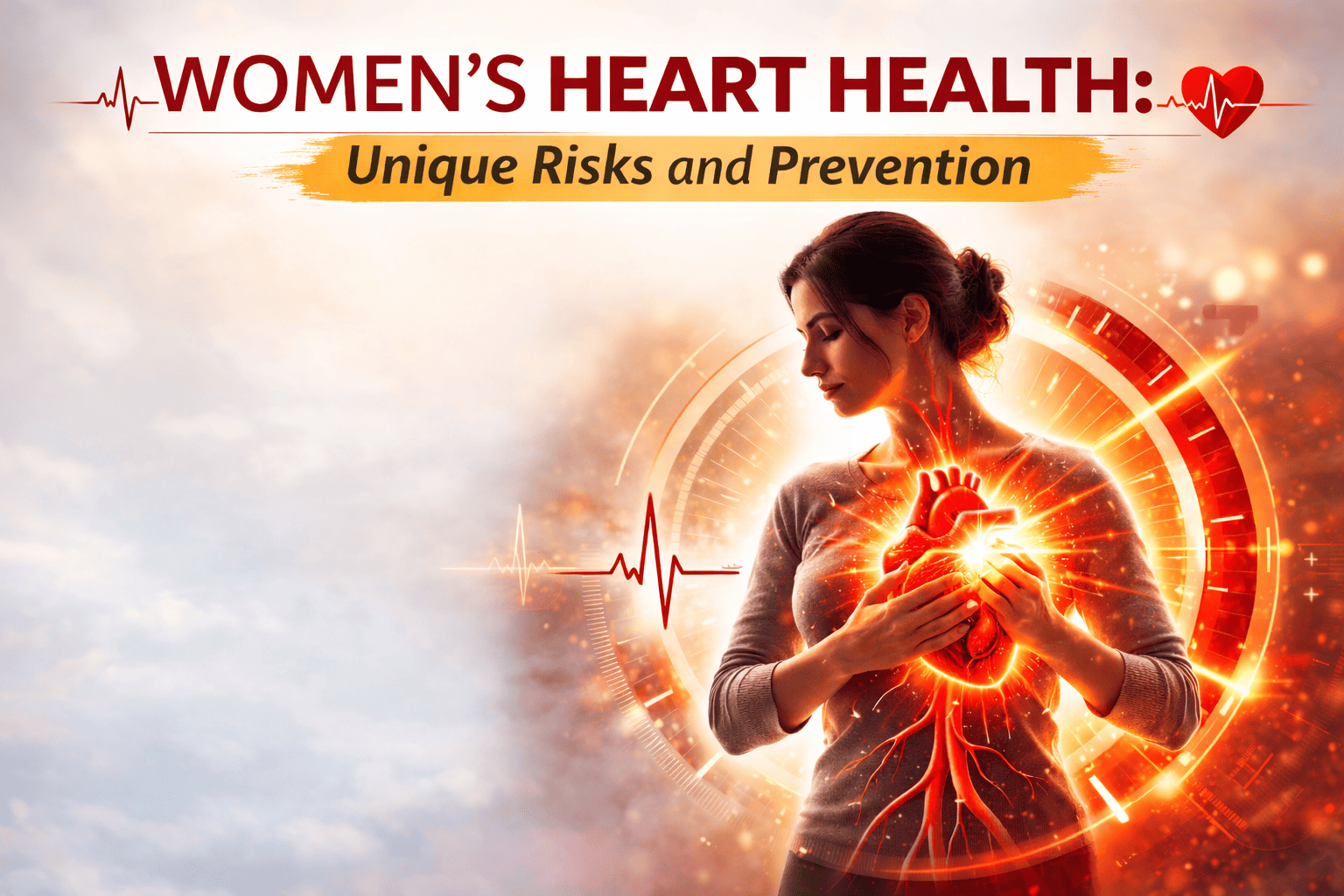
Women’s Heart Health: Unique Risks and Prevention
Updated at: 21 Feb 2026
Heart disease is often considered a “man’s problem,” but in reality, it is one of the leading causes of death among women worldwide. Despite medical advancements, many women are unaware of their unique cardiovascular risks and symptoms. Understanding these differences and taking preventive action can significantly improve long-term health outcomes.
Women’s heart health deserves focused attention because symptoms, hormonal influences, and disease progression often differ from men.
Why Women’s Heart Health Is Different
Heart disease affects women differently due to biological and hormonal factors.
Hormonal Changes
Estrogen provides some natural protection before menopause. However, after menopause, the decline in estrogen increases the risk of heart disease significantly.
Smaller Coronary Arteries
Women tend to have smaller coronary arteries, increasing the risk of microvascular disease — a condition more common in women.
Unique Risk Factors for Women
In addition to traditional risk factors like high blood pressure, diabetes, and obesity, women face additional concerns:
-
Pregnancy-related complications such as preeclampsia and gestational diabetes
-
Autoimmune diseases like lupus and rheumatoid arthritis
-
Chronic stress and depression
-
Early menopause
These factors increase the importance of consulting a qualified cardiologist in Hyderabad for routine heart screenings and early detection.
Heart Attack Symptoms in Women
Women may experience less obvious heart attack symptoms compared to men. Instead of severe chest pain, symptoms may include:
-
Shortness of breath
-
Unusual fatigue
-
Nausea or vomiting
-
Jaw, neck, or back pain
-
Dizziness
-
Mild chest discomfort
Because these symptoms are often subtle, many women delay seeking help. Consulting the Best Cardiologist in Hyderabad at the earliest sign of discomfort can be life-saving.

Prevention: Protecting Women’s Heart Health
Heart disease is largely preventable with proactive care.
Regular Screening
Routine health check-ups for blood pressure, cholesterol, and blood sugar are essential. Early evaluation by a Top Heart Specialist in Hyderabad ensures timely diagnosis and management.
Healthy Lifestyle
A heart-friendly lifestyle includes:
-
Balanced diet
-
Regular physical activity
-
Stress management
-
Avoiding smoking
-
Maintaining a healthy weight
Stress & Mental Health Management
Chronic stress and depression can impact heart health. Practicing mindfulness, yoga, and relaxation techniques can improve cardiovascular well-being.
Importance of Early Consultation
Women should not ignore symptoms or assume fatigue and discomfort are minor issues. Early consultation with an experienced cardiologist in Hyderabad can prevent serious complications and improve long-term outcomes.
Frequently Asked Questions (FAQs)
1. Are women at equal risk of heart disease as men?
Yes. Heart disease is one of the leading causes of death in women. In fact, many women underestimate their risk. Regular check-ups with the Best Cardiologist in Hyderabad can help detect early warning signs.
2. What are the early signs of heart disease in women?
Early signs may include unusual fatigue, shortness of breath, mild chest discomfort, nausea, or jaw and back pain. These symptoms may not be as dramatic as those seen in men, which is why awareness is crucial.
3. At what age should women start heart screening?
Women should begin routine cardiovascular screenings in their 30s, especially if they have risk factors such as diabetes, hypertension, or family history of heart disease. Post-menopausal women should be particularly cautious.
4. Does pregnancy affect long-term heart health?
Yes. Conditions such as gestational diabetes and preeclampsia can increase future heart disease risk. Women with such history should consult a Top Heart Specialist in Hyderabad for regular follow-ups.
5. Can lifestyle changes really prevent heart disease?
Absolutely. A healthy diet, regular exercise, stress management, and routine medical evaluations significantly reduce cardiovascular risk.
Conclusion
Women’s heart health requires greater awareness due to unique hormonal and biological factors. Recognizing early symptoms, understanding risk factors, and taking preventive measures can dramatically reduce cardiovascular complications.
Regular consultation with a qualified cardiologist in Hyderabad and timely evaluation by the Best Cardiologist in Hyderabad or a Top Heart Specialist in Hyderabad ensures better heart health and long-term well-being.
Your heart matters — prioritize it today.
Comments

Be the first to Comment
Latest Post
-
⇨Age-Wise Heart Health Guide: Protecting Your Heart in Your 30s, 40s, and 50s
-
⇨Who Is Eligible for a TAVR Procedure? Signs, Symptoms & Benefits Explained
-
⇨5 Reasons to Watch Your Weight for a Healthier Heart
-
⇨How Smoking Affects Your Heart and Blood Vessels
-
⇨Why Heart Attacks Are Becoming Common in Desk Job Employees
-
⇨Diabetes and Heart Health: Risks, Symptoms & Prevention Tips
-
⇨Work Stress & Heart Disease: Warning Signs, Risks, and Prevention Tips
-
⇨When Should You Consult a Cardiac Surgeon in Hyderabad?
-
⇨Heat and Heart Health: What You Need to Know This Summer
-
⇨Angioplasty Treatment in Hyderabad – Complete Guide
-
⇨Best Interventional Cardiologist in Hyderabad for Acute Heart Failure Treatment
-
⇨Foods to Be Avoided by Heart Patients
-
⇨Cholesterol Levels: Safe HDL & LDL Ranges for Heart Health
-
⇨The Ultimate Guide to Finding the Best Cardiologist in Hyderabad
-
⇨Women’s Heart Health: Unique Risks and Prevention
-
⇨What Is the Golden Hour for Heart? Why Every Minute Matters in Cardiac Emergencies
-
⇨The Role of Cardiac Rehabilitation in Long-Term Heart Health
-
⇨Acute Heart Failure Treatment: What Patients Need to Know
-
⇨The Role of Angioplasty in Managing Heart Problems
-
⇨Recognizing a Heart Attack: Symptoms That Shouldn’t Be Ignored

Leave a reply