
Call us for any question
8500003104Meds Super Speciality Hospital
MallepallyTimings: 7 pm to 10 pm
mohammed4248asif@gmail.com



Blog s
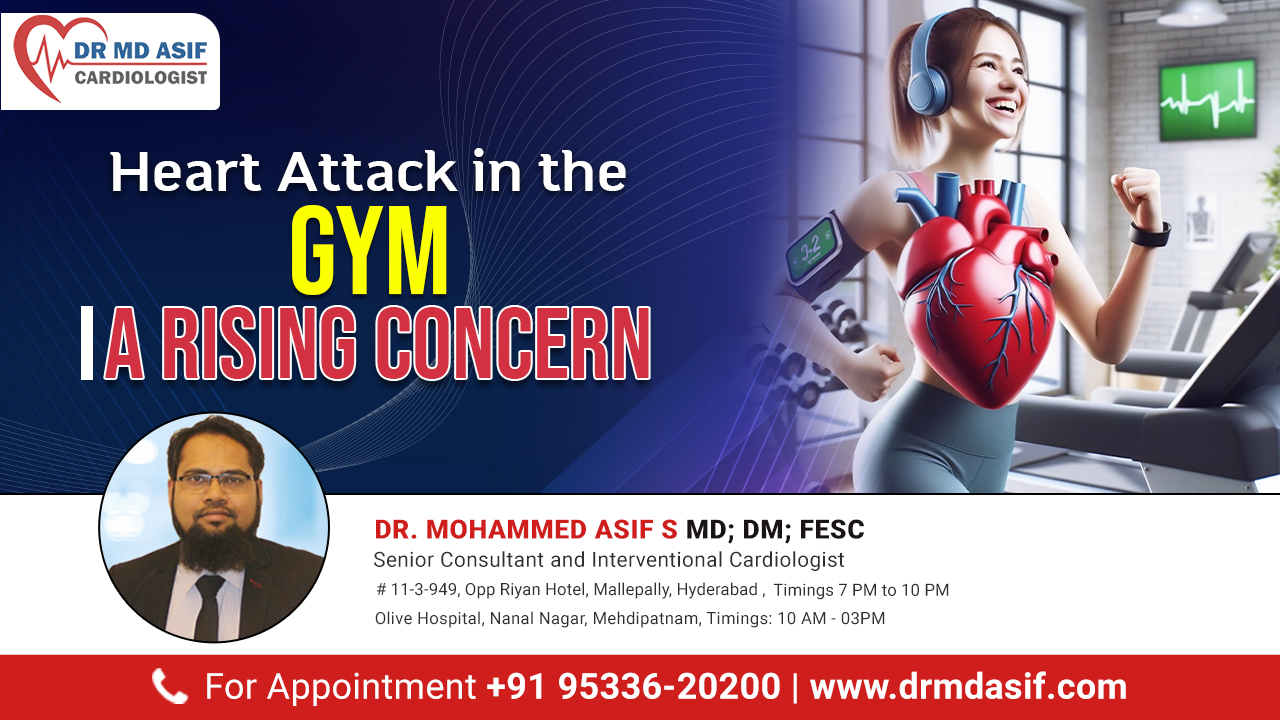
Heart Attack in the Gym: A Rising Concern
Updated at: 26 Aug 2024
Heart Attack in the Gym: A Rising Concern
As fitness enthusiasts increasingly hit the gym to stay in shape, the risk of a heart attack in the gym has become a significant concern. Understanding the heart attack in the gym risk and the preventive measures can help safeguard your health during workouts.
Understanding Gym Heart Attack Risk
Exercising is generally beneficial for heart health, but it is essential to recognize that intense physical activity can trigger an exercise-induced heart attack in some individuals. The risk of a heart attack during exercise may increase due to several factors, including pre-existing heart conditions, improper workout techniques, and excessive exertion.
Common Triggers of Heart Attacks in the Gym
1. Overexertion: Engaging in strenuous workouts without proper conditioning can elevate the risk of a heart attack.
2. Underlying Health Conditions: Individuals with heart disease or high blood pressure are at higher risk during vigorous exercise.
3. Improper Warm-Up: Skipping warm-ups can strain the heart and increase the risk of cardiac events.
4. High-Intensity Workouts: Sudden bursts of intense activity can lead to cardiac arrest during workouts in vulnerable individuals.
Recognizing Heart Health Warning Signs
To mitigate the risk of a heart attack in the gym, it is crucial to be aware of potential heart health gym workout signs such as
- Chest pain or discomfort
- Shortness of breath
- Dizziness or lightheadedness
- Unusual fatigue
If you experience any of these symptoms during exercise, seek immediate medical attention.
Preventing Heart Attack in the Gym
1. Consult Your Doctor: Before starting any new exercise program, especially if you have pre-existing health conditions, consult your healthcare provider to assess your gym heart attack risk.
2. Monitor Intensity: Gradually increase the intensity of your workouts and avoid pushing yourself too hard.
3. Stay Hydrated: Proper hydration is crucial for heart health during exercise.
4. Follow a Balanced Routine: Incorporate a mix of cardiovascular, strength, and flexibility exercises in your routine.
5. Listen to Your Body: Pay attention to any signs of discomfort and adjust your workout accordingly.
Conclusion
While the risk of a heart attack in the gym is real, understanding and mitigating this risk through proper precautions can help ensure a safe and effective workout experience. By focusing on preventing heart attacks in the gym and staying informed about heart attacks during exercise symptoms, you can enjoy the benefits of exercise without compromising your heart health.
FAQs:
1. What causes heart attacks in the gym?
Intense exercise, pre-existing heart conditions, and improper workout techniques can contribute to heart attacks during gym sessions.
2. How can I reduce my risk of a heart attack while exercising?
- Ensure a gradual increase in workout intensity, stay hydrated, and consult with a healthcare provider before starting a new exercise regimen.
3. What are the warning signs of a heart attack during exercise?
- Symptoms include chest pain, shortness of breath, dizziness, and nausea.
4. How can I prevent a heart attack during my workout?
- Warm up properly, listen to your body, and avoid overexertion. Regular check-ups and heart health screenings are also advisable.
5. Should I stop exercising if I experience chest pain?
- Yes, stop immediately and seek medical attention if you experience chest pain or other heart attack symptoms during exercise.
Comments

Be the first to Comment
Latest Post
-
⇨The Ultimate Roadmap to Recovery: Dos and Don’ts After Heart Bypass Surgery
-
⇨Prevent High Blood Pressure: Know the Risk Factors
-
⇨Cardiac Rehabilitation Benefits: How It Helps You Recover and Protect Your Heart
-
⇨Cardiac Catheterization: What It Is, Why It’s Done and What You Need to Know
-
⇨Exploring the Pacemaker Surgery Cost in Hyderabad: What You Need to Know
-
⇨How Long Do Heart Stents Last Long Term Outcomes Risks and Lifestyle Guidelines
-
⇨Can a Healthy Person Still Have Blocked Arteries? What You Need to Know
-
⇨Do You Really Need an Annual Heart Checkup?
-
⇨Angiogram vs Angioplasty: Which Procedure Do You Need?
-
⇨What to Expect After Heart Bypass Surgery: Recovery Dos and Don’ts
-
⇨What Causes VSD? Understanding Risk Factors, Symptoms, and Treatments
-
⇨How to Choose a Cardiologist in Hyderabad: Key Factors to Consider Before Your Visit
-
⇨Pacemaker Surgery Cost in Hyderabad: Complete Guide
-
⇨What Is Angioplasty? Types, Procedure, Risks & Recovery
-
⇨How to Differentiate Heartburn from a Heart Attack
-
⇨ECG Test Explained What It Detects How to Read Your Report and When You Need One
-
⇨What Are Heart Palpitations Causes Symptoms and When to Worry
-
⇨Pacemaker Implantation: Everything You Need to Know About This Life-Saving Heart Procedure
-
⇨10 Essential Lifestyle Changes for a Healthy Heart
-
⇨Age-Wise Heart Health Guide: Protecting Your Heart in Your 30s, 40s, and 50s

Leave a reply