
Call us for any question
8500003104Meds Super Speciality Hospital
MallepallyTimings: 7 pm to 10 pm
mohammed4248asif@gmail.com



Blog s
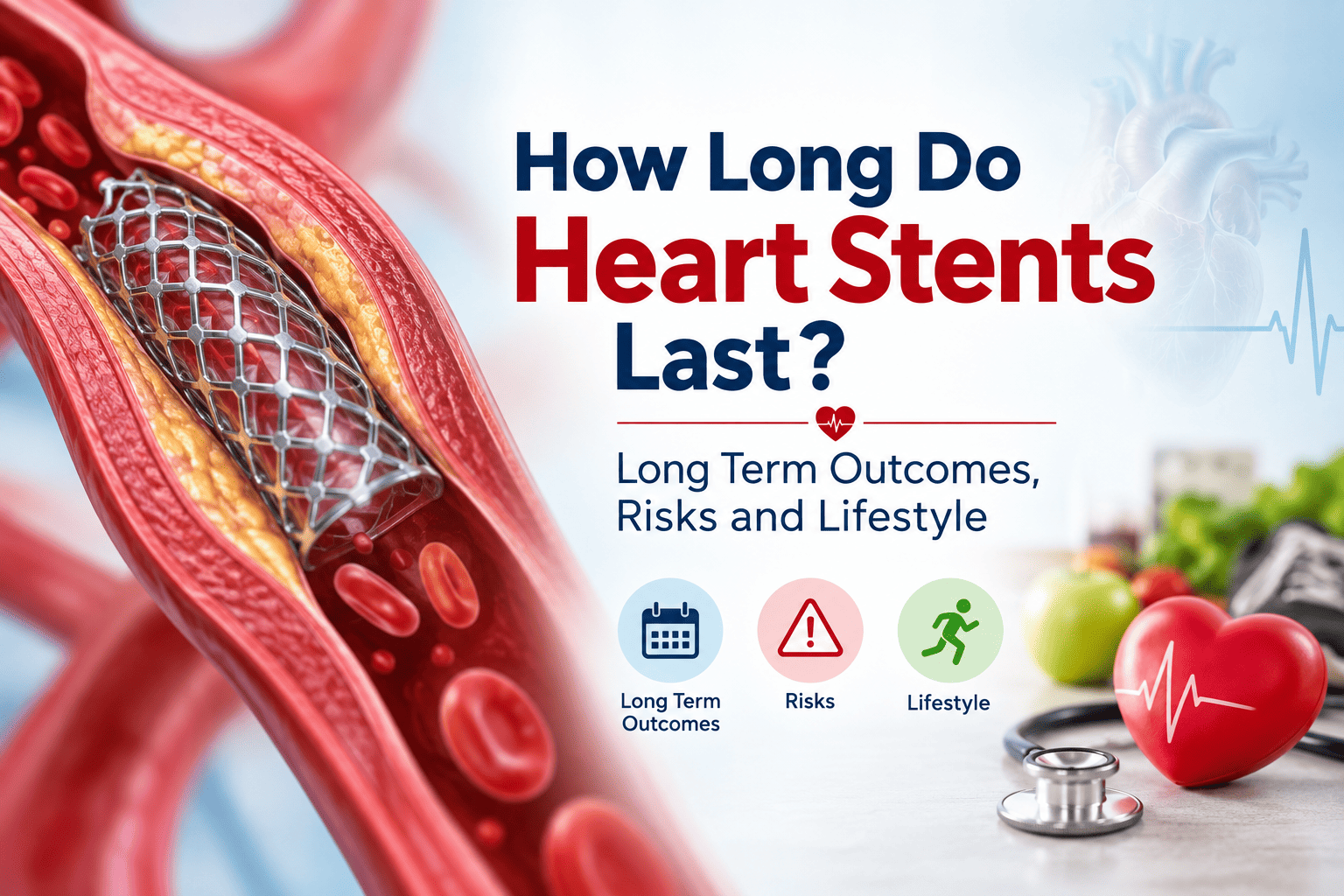
How Long Do Heart Stents Last Long Term Outcomes Risks and Lifestyle Guidelines
Updated at: 15 Sep 2026
A heart stent is a common treatment for people with narrowed or blocked coronary arteries. After undergoing angioplasty, one of the most common questions patients ask is how long does a heart stent last.
Modern coronary stents are designed to remain inside the artery permanently. They generally do not need to be removed or replaced after a fixed number of years. However, a stent treats a specific blockage and does not completely cure the underlying coronary artery disease.
With appropriate medication, lifestyle changes, risk factor management, and regular follow up, many patients can maintain good heart health for years after stent placement.
What Is a Heart Stent
A heart stent, also known as a coronary stent, is a small mesh tube placed inside a narrowed coronary artery. It helps keep the artery open and improves blood flow to the heart muscle.
Stent placement is usually performed during coronary angioplasty, also known as percutaneous coronary intervention. During the procedure, a catheter is guided through a blood vessel to the affected coronary artery. A balloon may be used to widen the narrowed area followed by placement of the stent.
Most coronary stents used today are drug eluting stents. These stents release medication over time to reduce the risk of the artery narrowing again.
How Long Do Heart Stents Last
A coronary stent is generally designed to stay in the artery permanently. There is no standard expiration period of five, ten, or twenty years.
The stent itself does not usually wear out. Once it is properly placed, the artery gradually heals around it. Long term monitoring focuses on whether the treated artery remains open and whether the patient develops new coronary artery disease.
Possible complications include narrowing inside the stent, blood clot formation, or new blockages in other coronary arteries.
This is why regular cardiac follow up remains important even when a patient feels well.
Can a Heart Stent Get Blocked Again
Yes. Although modern drug eluting stents have significantly reduced the risk of recurrent narrowing, it can still occur.
In Stent Restenosis
In stent restenosis occurs when tissue grows inside the previously treated area and causes the artery to narrow again.
The risk may be influenced by diabetes, smoking, high cholesterol, high blood pressure, kidney disease, the size of the artery, and the complexity of the original blockage.
New Blockages in Other Arteries
A stent treats the specific blockage for which it was placed. It does not prevent plaque from developing in other coronary arteries.
Patients should therefore continue managing cholesterol, blood pressure, blood sugar, weight, diet, physical activity, and smoking.
What Are the Long Term Outcomes After Stent Placement
For many patients, coronary angioplasty and stenting can improve blood flow and relieve symptoms such as angina.
However, long term outcomes depend on several factors including age, diabetes, blood pressure, cholesterol, smoking, kidney function, the extent of coronary artery disease, and adherence to prescribed treatment.
Patients who follow their treatment plan and adopt heart healthy habits can reduce their risk of future cardiovascular problems.
If you are looking for the Best Angioplasty Doctors in Hyderabad, consider a cardiologist with appropriate experience in coronary interventions and long term cardiac care.
What Are the Risks of a Heart Stent
Coronary stenting is an established treatment but potential complications can occur.
Stent Thrombosis
A blood clot can form inside a stent. Stent thrombosis is uncommon but can be serious and may result in a heart attack.
In Stent Restenosis
The artery can become narrowed again because of tissue growth within the stent.
New Coronary Blockages
Plaque can continue to develop in other coronary arteries. Managing the underlying disease is therefore essential.
Medication Related Bleeding
Antiplatelet medicines can increase the risk of bleeding. Patients should not stop these medicines without consulting their treating cardiologist.
Why Are Medicines Important After a Heart Stent
Following coronary angioplasty and stent placement, patients are often prescribed antiplatelet medicines to reduce the risk of blood clot formation.
The duration of treatment depends on factors such as the reason for stent placement, history of heart attack, type of stent, bleeding risk, and other medical conditions.
There is no single medication schedule suitable for every patient.
Patients should never stop aspirin or another prescribed antiplatelet medicine without discussing it with their cardiologist.
Lifestyle Guidelines After Heart Stent Placement
A stent can treat a specific blockage but lifestyle changes are essential for protecting the cardiovascular system.
Follow a Heart Healthy Diet
Choose vegetables, fruits, whole grains, pulses, nuts, and other minimally processed foods. Limit excessive salt, saturated fats, trans fats, added sugars, and highly processed foods.
Exercise Regularly
Appropriate physical activity can help improve cardiovascular fitness, blood pressure, cholesterol, and weight management.
Your cardiologist can advise when it is safe to resume exercise and what level of activity is appropriate.
For eligible patients, Cardiac Rehabilitation in Hyderabad can provide structured support for exercise, lifestyle modification, and recovery after a cardiac event or procedure.
Stop Smoking
Smoking damages blood vessels and increases cardiovascular risk. Quitting smoking is one of the most important lifestyle changes after angioplasty.
Control Cholesterol
High LDL cholesterol contributes to plaque formation in the arteries. Follow your doctors recommendations regarding cholesterol lowering medicines and regular blood tests.
Manage Blood Pressure
High blood pressure can place additional stress on the cardiovascular system and increase the risk of heart attack and stroke.
Manage Diabetes
If you have diabetes, maintaining appropriate blood glucose levels is an important part of long term heart care.
Maintain a Healthy Weight
Maintaining a healthy weight can help improve blood pressure, cholesterol, blood sugar, and overall cardiovascular health.
Attend Regular Cardiology Check Ups
Regular appointments allow your cardiologist to monitor symptoms, medications, blood pressure, cholesterol, and other cardiovascular risk factors.
What Tests May Be Needed After a Heart Stent
Not every patient needs the same tests after angioplasty. Your cardiologist determines the appropriate follow up based on your symptoms, medical history, and risk factors.
ECG Test
An ECG Test in Hyderabad records the electrical activity of the heart and may help evaluate heart rhythm and certain signs of heart problems.
2D Echocardiogram
A 2D ECHO in Hyderabad can provide information about heart structure, pumping function, heart valves, and other cardiac conditions.
Coronary Angiogram
A Coronary Angiogram in Hyderabad may be recommended when a doctor needs detailed information about the coronary arteries, particularly when symptoms or other clinical findings require further evaluation.
Cardiac Catheterization
Cardiac catheterization in Hyderabad may be used to evaluate the heart and blood vessels and when necessary support procedures such as coronary intervention.
The need for any cardiac test should be determined by your doctor based on your individual condition.
Can You Live a Normal Life After a Heart Stent
Yes. Many patients return to their normal daily activities after recovering from angioplasty and stent placement.
The timing of returning to work, exercise, driving, and other activities depends on the reason for the procedure, the complexity of the treatment, and your overall health.
With appropriate medical guidance, regular physical activity, a healthy diet, medication adherence, and risk factor control, many patients can maintain an active lifestyle after stenting.
Do You Need Another Stent in the Future
Not necessarily.
Some patients may never need another coronary intervention. However, additional treatment may be required if significant narrowing develops inside the existing stent, a new coronary blockage develops, angina returns because of significant narrowing, or another heart attack occurs.
If symptoms return, they should be evaluated by a cardiologist rather than automatically assuming that the existing stent has failed.
When Should You Seek Emergency Medical Care
Patients with a history of coronary artery disease or stent placement should not ignore new or severe symptoms.
Seek immediate medical attention if you experience new or severe chest pain or pressure, pain spreading to the arm, shoulder, back, neck, or jaw, severe shortness of breath, cold sweating, fainting, severe dizziness, or sudden unexplained weakness.
These symptoms can indicate a heart attack or another cardiac emergency.
Can a Heart Stent Last for 20 Years
Yes. A coronary stent is designed to remain in the artery permanently and can remain there for decades.
The important issue is not simply how old the stent is but whether the treated artery remains open and whether coronary artery disease is being properly controlled.
Does a Heart Stent Need to Be Replaced
Usually no.
A stent is not routinely removed or replaced because it has been in place for a certain number of years. Further treatment is considered only when there is a medical reason such as significant restenosis or another coronary blockage.
Can You Exercise After a Heart Stent
For most patients, appropriate exercise is an important part of long term heart health. However, the timing and intensity should be determined according to the individuals condition and recovery.
Patients recovering from a heart attack or complex angioplasty may benefit from a structured cardiac rehabilitation program.
How Can You Protect Your Heart After Angioplasty
The best approach is to manage the factors that contribute to coronary artery disease.
Take prescribed medicines regularly, control LDL cholesterol and blood pressure, manage diabetes, avoid tobacco, eat a balanced diet, exercise regularly, maintain a healthy weight, get adequate sleep, manage stress, and attend recommended cardiology appointments.
This approach is an important part of Preventive Cardiology in Hyderabad and can help reduce the risk of future cardiovascular complications.
When Should You Consult a Cardiologist
You should consult a cardiologist if you develop new chest discomfort, breathlessness, unexplained fatigue, palpitations, dizziness, or reduced exercise tolerance.
Patients with existing coronary artery disease should also maintain regular follow up even when they have no symptoms.
If you are looking for a Top Cardiologist in Hyderabad, Best Cardiologist in Hyderabad, or experienced Heart Specialist in Hyderabad, an individualized evaluation is important because every patients cardiovascular risk and treatment needs are different.
Frequently Asked Questions
How long do heart stents last
Most coronary stents are designed to remain permanently in the artery and can remain there for decades.
Does a heart stent need to be replaced
Usually no. A stent does not require routine replacement simply because it is old.
Can a person live 20 years after a heart stent
Many patients live for many years after stent placement. Long term outcomes depend on overall cardiovascular health and management of risk factors.
Can a heart stent get blocked again
Yes. In stent restenosis can occur and new blockages can also develop in other coronary arteries.
Can you exercise after getting a heart stent
Appropriate physical activity is generally an important part of recovery and long term heart health. The timing and intensity should be based on your cardiologists advice.
Conclusion
A heart stent is generally a permanent treatment and does not need to be replaced after a fixed number of years. Modern coronary stents can remain in place for decades.
However, a stent does not cure the underlying coronary artery disease. Long term heart health depends on medication adherence, cholesterol and blood pressure control, diabetes management, regular physical activity, a heart healthy diet, smoking cessation, and appropriate cardiology follow up.
If you have undergone angioplasty or are experiencing new cardiac symptoms, consult a qualified cardiologist for an individualized evaluation and treatment plan.
Comments

Be the first to Comment
Latest Post
-
⇨How Long Do Heart Stents Last Long Term Outcomes Risks and Lifestyle Guidelines
-
⇨Can a Healthy Person Still Have Blocked Arteries? What You Need to Know
-
⇨Do You Really Need an Annual Heart Checkup?
-
⇨Angiogram vs Angioplasty: Which Procedure Do You Need?
-
⇨What to Expect After Heart Bypass Surgery: Recovery Dos and Don’ts
-
⇨What Causes VSD? Understanding Risk Factors, Symptoms, and Treatments
-
⇨How to Choose a Cardiologist in Hyderabad: Key Factors to Consider Before Your Visit
-
⇨Pacemaker Surgery Cost in Hyderabad: Complete Guide
-
⇨What Is Angioplasty? Types, Procedure, Risks & Recovery
-
⇨How to Differentiate Heartburn from a Heart Attack
-
⇨ECG Test Explained What It Detects How to Read Your Report and When You Need One
-
⇨What Are Heart Palpitations Causes Symptoms and When to Worry
-
⇨Pacemaker Implantation: Everything You Need to Know About This Life-Saving Heart Procedure
-
⇨10 Essential Lifestyle Changes for a Healthy Heart
-
⇨Age-Wise Heart Health Guide: Protecting Your Heart in Your 30s, 40s, and 50s
-
⇨Who Is Eligible for a TAVR Procedure? Signs, Symptoms & Benefits Explained
-
⇨5 Reasons to Watch Your Weight for a Healthier Heart
-
⇨How Smoking Affects Your Heart and Blood Vessels
-
⇨Why Heart Attacks Are Becoming Common in Desk Job Employees
-
⇨Diabetes and Heart Health: Risks, Symptoms & Prevention Tips

Leave a reply