
Call us for any question
8500003104Meds Super Speciality Hospital
MallepallyTimings: 7 pm to 10 pm
mohammed4248asif@gmail.com



Blog s
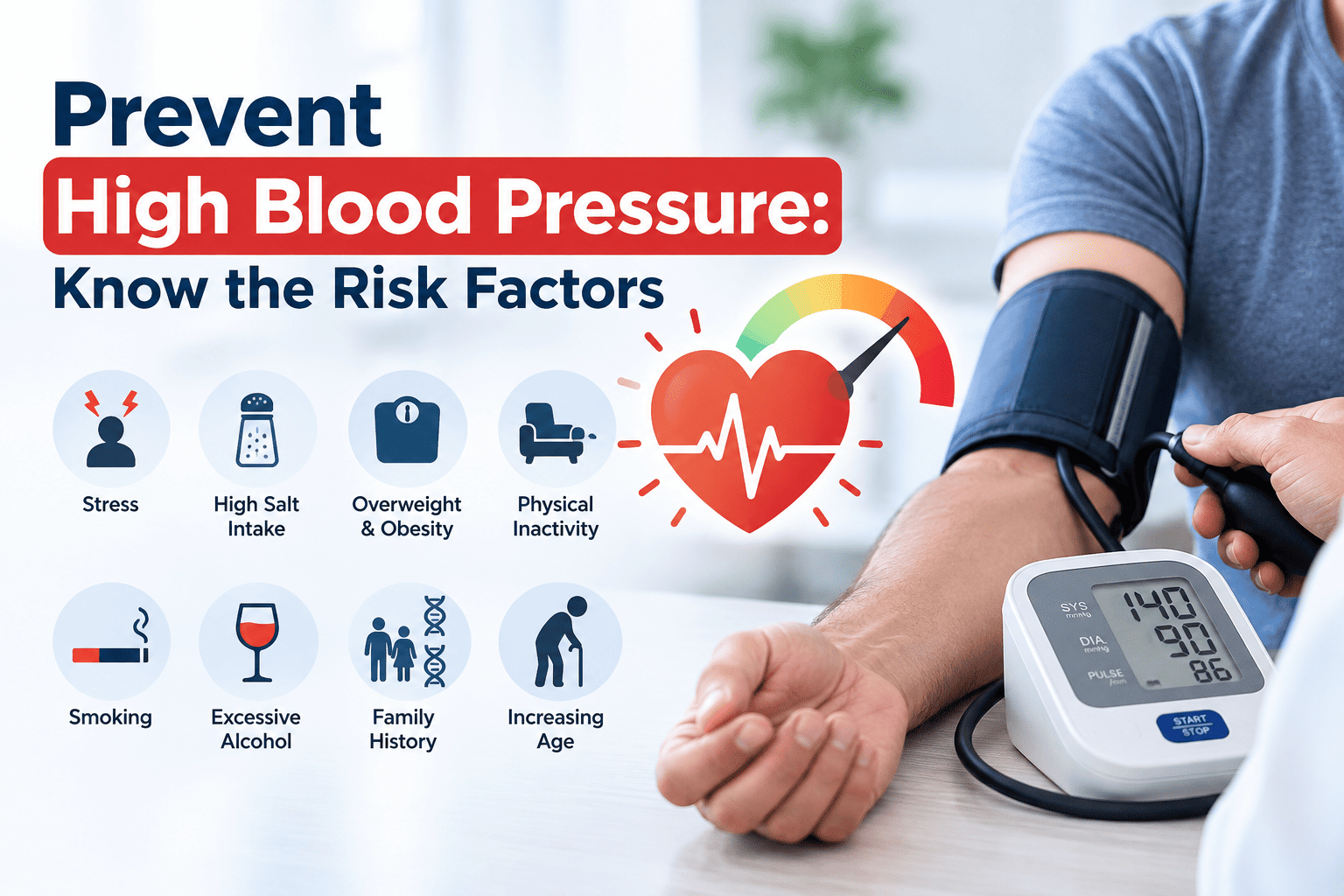
Prevent High Blood Pressure: Know the Risk Factors
Updated at: 14 Oct 2026
Here is an SEO-friendly blog for the topic “Prevent High Blood Pressure: Know the Risk Factors”, following the reference content’s healthcare blog structure and style.
Prevent High Blood Pressure: Know the Risk Factors
High blood pressure often develops without noticeable symptoms. Many people may have elevated blood pressure for years without realizing it, increasing their risk of heart attack, stroke, kidney disease, and other serious health complications. Understanding the risk factors and taking preventive steps early can help protect your heart and overall health.
Whether you have a family history of hypertension or want to maintain a healthy lifestyle, knowing how to prevent high blood pressure is an important step towards long-term wellness. With regular monitoring, healthy habits, and appropriate medical guidance, many risk factors can be managed effectively.
What Is High Blood Pressure?
High blood pressure, also known as hypertension, is a condition in which the force of blood against the walls of your arteries remains consistently elevated.
Blood pressure is measured using two numbers:
Systolic pressure: The pressure in your arteries when your heart beats.
Diastolic pressure: The pressure in your arteries when your heart rests between beats.
A reading around 120/80 mmHg is generally considered normal for many adults. Repeated elevated readings require attention, and your doctor can interpret them according to current guidelines and your individual health condition.
If left uncontrolled, high blood pressure can gradually damage blood vessels and place additional strain on the heart.
Why Is Preventing High Blood Pressure Important?
High blood pressure is often called a silent condition because it usually does not cause noticeable symptoms in its early stages. Waiting until symptoms appear may delay diagnosis and treatment.
Uncontrolled hypertension can increase the risk of:
Heart attack and coronary artery disease
Stroke and other cerebrovascular complications
Heart failure
Chronic kidney disease
Damage to the blood vessels
Certain eye and vision complications
Preventive care, regular blood pressure checks, and timely medical advice can help identify problems early and reduce the risk of complications.
Risk Factors You Cannot Change
Some factors can increase your likelihood of developing hypertension even when you follow a healthy lifestyle.
1. Increasing Age
The risk of high blood pressure generally increases with age as blood vessels gradually become less flexible. However, hypertension can also affect younger adults, particularly those with unhealthy lifestyle habits or other medical conditions.
Regular blood pressure monitoring is important at every stage of adulthood.
2. Family History
If your parents or close family members have high blood pressure, heart disease, or a history of stroke, your risk may be higher.
Although family history cannot be changed, understanding it can encourage you to monitor your blood pressure regularly and adopt healthy habits early.
3. Existing Medical Conditions
Certain medical conditions, including diabetes, chronic kidney disease, and some hormonal disorders, may increase the risk of hypertension or make it more difficult to control.
Managing these conditions with appropriate medical care is an important part of protecting your cardiovascular health.
4. Gender and Life Stage
The risk of developing high blood pressure can vary with age, sex, and hormonal changes. For example, the risk in women may increase after menopause. High blood pressure during pregnancy also requires appropriate medical monitoring.
Risk Factors You Can Control
Lifestyle choices play a major role in blood pressure management. Making consistent changes can help reduce your risk.
1. Excessive Salt Intake
Consuming too much salt can cause the body to retain fluid and contribute to increased blood pressure.
Salt is not limited to what you add while cooking. It can also be present in pickles, papad, packaged snacks, instant noodles, processed foods, and restaurant meals.
How to reduce the risk:
Reduce the amount of salt used in cooking.
Limit highly processed and packaged foods.
Read food labels to check sodium content.
Choose fresh foods and use herbs and spices for flavour.
The World Health Organization recommends adults consume less than 2,000 mg of sodium per day, equivalent to less than 5 grams of salt.
2. Being Overweight or Obese
Excess body weight, particularly around the abdomen, can place additional strain on the cardiovascular system. It is also associated with a higher risk of diabetes and high cholesterol.
Maintaining a healthy weight through balanced nutrition and regular physical activity can help support healthy blood pressure.
3. Lack of Physical Activity
A sedentary lifestyle can contribute to weight gain and poor cardiovascular fitness, increasing the risk of hypertension.
Activities such as brisk walking, cycling, swimming, or other moderate exercise can support heart health.
For most adults, a general target is at least 150 minutes of moderate-intensity physical activity each week, provided it is appropriate for their health and fitness level.
4. Smoking and Tobacco Use
Smoking and tobacco use can temporarily raise blood pressure and damage blood vessels over time. They also increase the risk of heart attack and stroke.
Quitting tobacco is one of the most important steps you can take to improve your cardiovascular health.
5. Excessive Alcohol Consumption
Regularly consuming excessive amounts of alcohol can raise blood pressure and contribute to other cardiovascular problems.
Reducing or avoiding alcohol can support better blood pressure management. Discuss your individual risks with your doctor.
6. Chronic Stress
Long-term stress may contribute to unhealthy habits, including overeating, smoking, poor sleep, and excessive alcohol consumption. These behaviours can indirectly increase hypertension risk.
Helpful stress-management practices include:
Regular physical activity
Relaxation and breathing exercises
Spending time on enjoyable activities
Maintaining social connections
Seeking professional support when needed
7. Poor Sleep and Sleep Apnea
Insufficient sleep and certain sleep disorders, including obstructive sleep apnea, are associated with high blood pressure.
If you experience loud snoring, pauses in breathing during sleep, or persistent daytime tiredness, consult a healthcare professional for assessment.
8. Unhealthy Eating Habits
A diet high in processed foods, saturated fats, added sugars, and excess calories may contribute to weight gain and poor cardiovascular health.
A heart-healthy diet should include vegetables, fruits, whole grains, pulses, nuts, and other nutritious foods. Reducing excess salt and highly processed foods can also help support healthy blood pressure.
9. Certain Medicines
Some medicines, including certain anti-inflammatory painkillers, decongestants, corticosteroids, and other drugs, may raise blood pressure in some people.
Tell your doctor about all prescription medicines, over-the-counter products, and supplements you use. Never stop or change a prescribed medicine without medical advice.
What Are the Warning Signs of High Blood Pressure?
Most people with high blood pressure do not experience obvious symptoms. Some may report headaches, dizziness, blurred vision, or fatigue, but these symptoms are not specific to hypertension.
The most reliable way to identify high blood pressure is through proper measurement.
If you repeatedly record elevated readings, consult a healthcare professional for assessment rather than waiting for symptoms to develop.
How to Prevent High Blood Pressure
Preventing hypertension involves developing healthy habits and managing medical risk factors consistently.
1. Check Your Blood Pressure Regularly
Regular monitoring helps identify elevated blood pressure before complications develop.
Adults should follow recommended screening intervals, with more frequent checks when risk factors or previously elevated readings are present.
A healthcare professional can advise how often you should measure your blood pressure.
2. Follow a Heart-Healthy Diet
Choose a balanced diet rich in fruits, vegetables, whole grains, pulses, and other minimally processed foods.
Limit excess salt, packaged snacks, processed meats, fried foods, and sugary drinks. If you have kidney disease or take certain medicines, ask your doctor before making major changes to your potassium intake.
3. Stay Physically Active
Regular exercise supports cardiovascular fitness and helps with weight management.
Walking, cycling, swimming, and other moderate activities are practical options. Start gradually if you are inactive and seek medical advice before beginning strenuous exercise if you have an existing health condition.
4. Maintain a Healthy Weight
A healthy weight can reduce strain on the heart and help improve blood pressure control.
Focus on sustainable habits rather than rapid weight-loss methods. A doctor or dietitian can help you develop a suitable plan.
5. Avoid Tobacco
Avoid smoking and other forms of tobacco. If you need help quitting, discuss evidence-based cessation support with a healthcare professional.
6. Manage Stress and Get Adequate Sleep
Make time for relaxation, maintain a regular sleep schedule, and address ongoing stress.
If sleep problems persist or you suspect sleep apnea, seek medical advice.
7. Manage Diabetes and Cholesterol
Diabetes and abnormal cholesterol levels can increase cardiovascular risk. Regular health checks, appropriate treatment, and lifestyle changes can help manage these conditions.
8. Take Prescribed Medicines as Directed
If you have already been diagnosed with hypertension, follow your treatment plan and attend recommended follow-up appointments.
Do not stop blood pressure medication simply because your readings have improved. Your doctor can determine whether any treatment adjustment is appropriate.
Monitoring Your Blood Pressure at Home
Home blood pressure monitoring can help you and your doctor understand your readings over time.
For more accurate measurements:
Avoid caffeine, smoking, and exercise for at least 30 minutes before measuring.
Sit quietly for five minutes before taking a reading.
Keep your back supported and your feet flat on the floor.
Rest your arm at heart level.
Use a properly fitting upper-arm cuff.
Take readings as advised and maintain a record for your doctor.
A single reading does not usually establish a diagnosis. Your doctor will assess repeated measurements and consider your overall health.
When Should You Consult a Cardiologist?
Consider consulting a cardiologist if:
Your blood pressure readings are repeatedly elevated.
You have a family history of hypertension or cardiovascular disease.
You have diabetes, kidney disease, or high cholesterol.
You are unsure about your personal risk factors.
You need help managing an existing hypertension diagnosis.
If you are searching for a Top Cardiologist in Hyderabad, Best Cardiologist in Hyderabad, or an experienced Heart Specialist in Hyderabad, choose a qualified professional who can assess your individual needs and recommend appropriate care.
Seek emergency medical attention if you experience chest pain, severe breathlessness, sudden weakness or numbness, difficulty speaking, confusion, or sudden changes in vision. These may be signs of a serious medical emergency.
Frequently Asked Questions
1. What are the main risk factors for high blood pressure?
Common risk factors include increasing age, family history, excessive salt intake, excess body weight, lack of physical activity, smoking, excessive alcohol consumption, chronic stress, poor sleep, diabetes, and kidney disease.
2. Can high blood pressure be prevented?
The risk can often be reduced through healthy eating, regular physical activity, weight management, avoiding tobacco, limiting alcohol, adequate sleep, and regular blood pressure checks. Prevention cannot be guaranteed for everyone.
3. Does high blood pressure always cause symptoms?
No. Most people with hypertension do not experience noticeable symptoms, particularly in the early stages. Regular blood pressure measurement is essential for detection.
4. How often should I check my blood pressure?
The recommended frequency depends on your age, medical history, previous readings, and risk factors. Ask your healthcare professional whether annual screening or more frequent monitoring is appropriate for you.
5. Can young adults develop high blood pressure?
Yes. Young adults can develop hypertension due to family history, excess body weight, high salt intake, physical inactivity, certain medical conditions, and other factors.
6. How much salt should I consume daily?
The World Health Organization recommends less than 5 grams of salt per day for adults, including salt already present in packaged and processed foods. Individual recommendations may vary according to medical needs.
7. Can high blood pressure cause a heart attack or stroke?
Yes. Uncontrolled hypertension increases the risk of heart attack, stroke, heart failure, kidney disease, and other complications.
8. When should I seek medical advice for high blood pressure?
Consult a healthcare professional if your readings are repeatedly elevated or if you have conditions that increase your cardiovascular risk. If very high readings occur with chest pain, breathing difficulty, neurological symptoms, or vision changes, seek emergency care.
Conclusion
High blood pressure is a common health concern, but its risks can often be reduced through early detection, healthy lifestyle choices, and appropriate medical care.
Understanding your risk factors, limiting salt intake, staying active, maintaining a healthy weight, avoiding tobacco, and monitoring your blood pressure can help protect your heart over the long term.
If you have elevated readings or concerns about hypertension, consult a qualified cardiologist for an individual assessment and appropriate guidance. Taking preventive steps today can make a meaningful difference to your future health.
Add a stronger Hyderabad-focused call to actionReduce repeated prevention advice
Comments

Be the first to Comment
Latest Post
-
⇨The Ultimate Roadmap to Recovery: Dos and Don’ts After Heart Bypass Surgery
-
⇨Prevent High Blood Pressure: Know the Risk Factors
-
⇨Cardiac Rehabilitation Benefits: How It Helps You Recover and Protect Your Heart
-
⇨Cardiac Catheterization: What It Is, Why It’s Done and What You Need to Know
-
⇨Exploring the Pacemaker Surgery Cost in Hyderabad: What You Need to Know
-
⇨How Long Do Heart Stents Last Long Term Outcomes Risks and Lifestyle Guidelines
-
⇨Can a Healthy Person Still Have Blocked Arteries? What You Need to Know
-
⇨Do You Really Need an Annual Heart Checkup?
-
⇨Angiogram vs Angioplasty: Which Procedure Do You Need?
-
⇨What to Expect After Heart Bypass Surgery: Recovery Dos and Don’ts
-
⇨What Causes VSD? Understanding Risk Factors, Symptoms, and Treatments
-
⇨How to Choose a Cardiologist in Hyderabad: Key Factors to Consider Before Your Visit
-
⇨Pacemaker Surgery Cost in Hyderabad: Complete Guide
-
⇨What Is Angioplasty? Types, Procedure, Risks & Recovery
-
⇨How to Differentiate Heartburn from a Heart Attack
-
⇨ECG Test Explained What It Detects How to Read Your Report and When You Need One
-
⇨What Are Heart Palpitations Causes Symptoms and When to Worry
-
⇨Pacemaker Implantation: Everything You Need to Know About This Life-Saving Heart Procedure
-
⇨10 Essential Lifestyle Changes for a Healthy Heart
-
⇨Age-Wise Heart Health Guide: Protecting Your Heart in Your 30s, 40s, and 50s

Leave a reply