
Call us for any question
8500003104Meds Super Speciality Hospital
MallepallyTimings: 7 pm to 10 pm
mohammed4248asif@gmail.com



Blog s
The Ultimate Roadmap to Recovery: Dos and Don’ts After Heart Bypass Surgery
Updated at: 24 Oct 2026
Many times, we hear about the word heart bypass surgery, which is also known as coronary artery bypass grafting (CABG) surgery. It is required when coronary arteries become blocked or damaged. The main role of coronary arteries is to oxygenate blood to the heart. The heart does not work properly if it does not have a sufficient blood supply. This condition raises the chance of a heart attack. Through the surgery, the heart surgeon takes blood vessels from another area of the body to bypass the damaged arteries. Bypass surgery is a critical operation, and the patient needs 4-6 weeks to complete recovery. Here is a brief discussion about the dos and donts that patients should follow to recover faster.
Navigating Your Healing Journey
Right After Surgery:
In the initial hours after the cardiac bypass procedure, the patient will be under careful supervision in the ICU (Intensive Care Unit) for approximately one to two days. The medical team will attentively watch their overall vital signs to maintain stability. So that the healing process will start normally.
First Phase of Healing:
As the patient moves past the initial stage of surgery, the patient will be relocated to a standard hospital room. This phrase makes managing discomfort, taking prescribed medications, and caring for your surgical wounds especially important. The patient might feel tired and experience some soreness, but this is entirely normal.
Journey Towards Full Recovery:
The pathway to completely regaining health from the patients cardiac bypass surgery extends over several weeks. Gradually, the patient can notice their energy and physical fitness returning. However, it is critical to adhere strictly to the guidelines provided by healthcare providers regarding exercise, nutritional adjustments, and taking medicines.
Recovery Time Influences After Cardiac Bypass Surgery
Recovery times following a cardiac bypass procedure can be significantly impacted by multiple elements, such as:
Pre-surgery health status and physical conditioning of the patient.
The total count of grafts employed during the bypass.
Presence of any surgical or post-surgical complications.
Compliance with the advised post-surgery care regimen.
Essential Home Care Advice for Enhanced Recovery.
Rigorously adhere to the medication plan recommended by your doctor.
Ensure that you keep all scheduled check-ups with your medical practitioner.
Refrain from engaging in heavy lifting or high-intensity activities.
Employ diligent care of the surgical site to avert infection risks.
Opt for a nutritious diet enriched with various fruits, veggies, and lean protein sources.
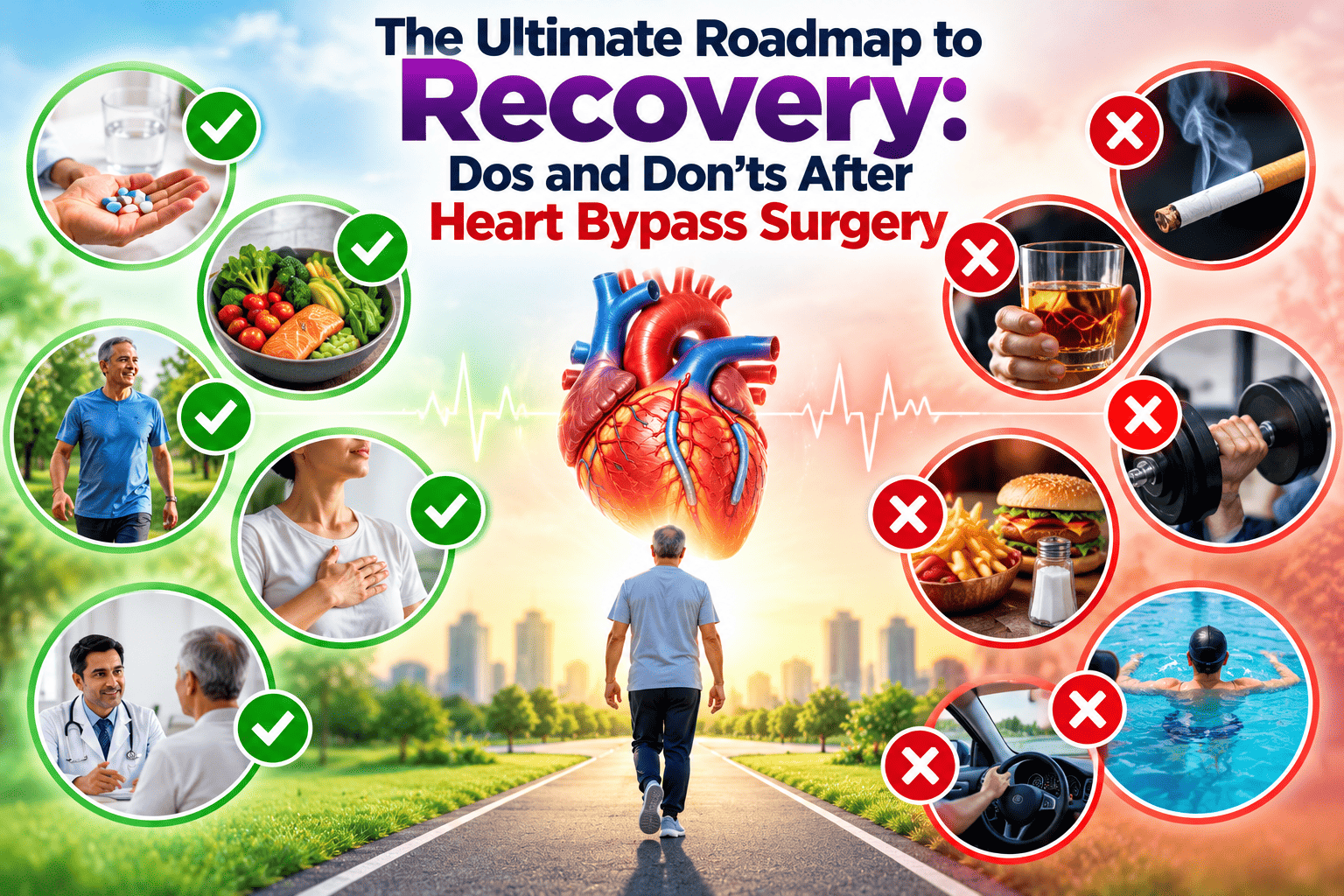
Dos after bypass surgery for a speedy and healthy recovery:
Do not rush back into your regular routine after bypass surgery. It takes some time to heal properly. Here is what we should do:
Follow your cardiologists advice closely because the first few days after surgery are critical for a timely recovery.
Do some breathing exercises for 4 to 6 weeks. But that should be recommended by your doctor. It will help to prevent lung infections.
Give your body the nutrients it needs to heal by eating lean proteins, vegetables, and fruits.
Take slow walks as advised by the best cardiologist in Hyderabad. It is a great exercise for both your lungs and heart.
Protect incision areas from moisture to prevent infection. Gently cleanse them daily with soap and water as directed by your doctor.
Please use the expertise of doctors or cardiac rehabilitation specialists by following their guidelines closely.
Talk about how you feel with others and engage in activities you enjoy. It can make a big difference in overcoming health challenges.
Surround yourself with inspiring people who uplift you. Having a positive mindset is crucial in overcoming severe health issues.
Following these dos after bypass surgery will ensure a smooth recovery, reduce complications, and safeguard your heart health.
Donts After Bypass Surgery:
Do not forget to take care of your heart by scheduling regular follow-up visits with your doctor. They will monitor your heart function and overall health.
Do not ignore your bodys signs and seek medical attention if you experience fever, shortness of breath, or a clicking noise from your chest bone.
Do not stand in one place for more than 15 minutes, and refrain from pushing, pulling, or lifting heavy objects.
Do not stay outside long if the climate is too cold or hot.
Do not go swimming or hot tubs until your incision is fully healed.
Avoid smoking, drinking alcohol, and consuming unhealthy, salty, and high-cholesterol foods to prevent digestive issues.
Avoid strenuous activities that could strain your heart.
Never take any medication without your cardiologists guidance.
Stop driving for a few days and avoid long-distance travel.
Do not walk fast or run during the recovery period.
Avoid activities like listening to loud music, shouting, or engaging in arguments.
Conclusion:
Get the best treatment for cardiovascular disease from Dr. Asif, the best cardiologist in Hyderabad. Coronary Artery Bypass surgery can greatly benefit patients, but there is a risk of new plaque formation in the arteries. To prevent this, patients must follow a prescribed diet and healthy habits while scheduling regular health check-ups. With these precautions, you can ensure a plaque-free future and live a healthy life. Dont wait; book an appointment by calling 9533620200 now!
Comments

Be the first to Comment
Latest Post
-
⇨The Ultimate Roadmap to Recovery: Dos and Don’ts After Heart Bypass Surgery
-
⇨Prevent High Blood Pressure: Know the Risk Factors
-
⇨Cardiac Rehabilitation Benefits: How It Helps You Recover and Protect Your Heart
-
⇨Cardiac Catheterization: What It Is, Why It’s Done and What You Need to Know
-
⇨Exploring the Pacemaker Surgery Cost in Hyderabad: What You Need to Know
-
⇨How Long Do Heart Stents Last Long Term Outcomes Risks and Lifestyle Guidelines
-
⇨Can a Healthy Person Still Have Blocked Arteries? What You Need to Know
-
⇨Do You Really Need an Annual Heart Checkup?
-
⇨Angiogram vs Angioplasty: Which Procedure Do You Need?
-
⇨What to Expect After Heart Bypass Surgery: Recovery Dos and Don’ts
-
⇨What Causes VSD? Understanding Risk Factors, Symptoms, and Treatments
-
⇨How to Choose a Cardiologist in Hyderabad: Key Factors to Consider Before Your Visit
-
⇨Pacemaker Surgery Cost in Hyderabad: Complete Guide
-
⇨What Is Angioplasty? Types, Procedure, Risks & Recovery
-
⇨How to Differentiate Heartburn from a Heart Attack
-
⇨ECG Test Explained What It Detects How to Read Your Report and When You Need One
-
⇨What Are Heart Palpitations Causes Symptoms and When to Worry
-
⇨Pacemaker Implantation: Everything You Need to Know About This Life-Saving Heart Procedure
-
⇨10 Essential Lifestyle Changes for a Healthy Heart
-
⇨Age-Wise Heart Health Guide: Protecting Your Heart in Your 30s, 40s, and 50s

Leave a reply