
Call us for any question
8500003104Meds Super Speciality Hospital
MallepallyTimings: 7 pm to 10 pm
mohammed4248asif@gmail.com



Blog s
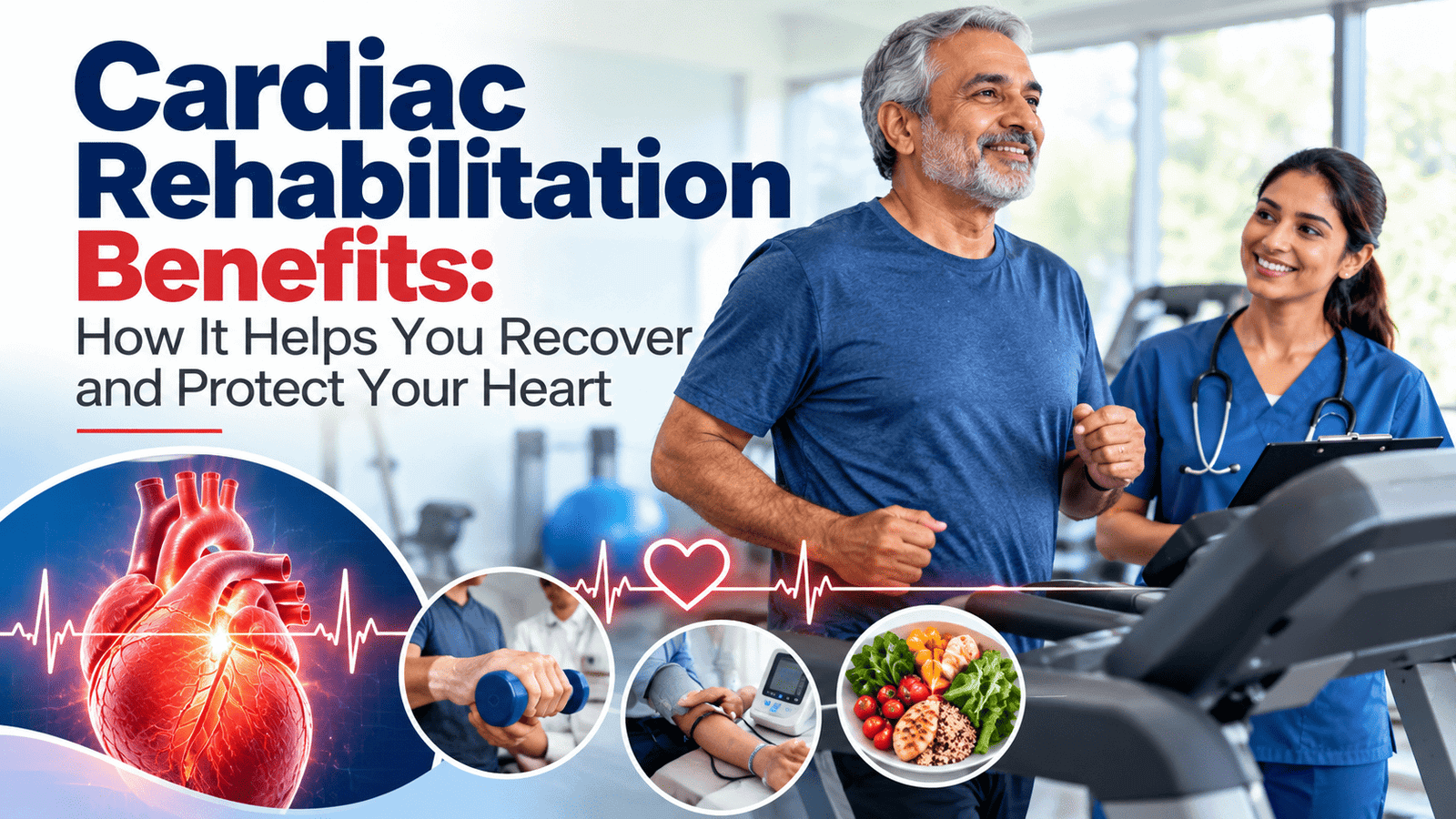
Cardiac Rehabilitation Benefits: How It Helps You Recover and Protect Your Heart
Updated at: 09 Oct 2026
Recovering from a heart attack, angioplasty, stent placement, or heart surgery does not end when you leave the hospital. Many patients ask what they can do next to protect their heart, return to normal activities safely, and avoid another cardiac event. This is where Cardiac Rehabilitation in Hyderabad becomes an important part of recovery.
Cardiac rehabilitation is a structured, medically supervised program that combines exercise, heart health education, lifestyle guidance, and emotional support. Its benefits extend well beyond recovery, because the program also helps patients manage the risk factors that caused heart disease in the first place.
With appropriate medical guidance, many patients regain confidence, improve their physical fitness, and build habits that support long term heart health.
What Is Cardiac Rehabilitation
Cardiac rehabilitation is a personalized program designed to help people recover from a heart condition or cardiac procedure and reduce the risk of future cardiovascular problems.
It is usually led by a team that may include a cardiologist, physiotherapist, dietitian, nurse, and counselor. The program is built around your diagnosis, your fitness level, and your overall health.
Cardiac Rehabilitation in Hyderabad is generally recommended after a cardiac event or procedure, and your cardiologist decides when it is safe to begin.
Who Needs Cardiac Rehabilitation
Cardiac rehabilitation may be recommended for patients who have had a heart attack, coronary angioplasty with stent placement, coronary bypass surgery, or heart valve surgery. It may also help patients with stable angina, heart failure, or certain other heart conditions.
Not every patient is suitable for every type of exercise. Your cardiologist will evaluate your symptoms, heart function, and medical history before recommending a program.
Key Benefits of Cardiac Rehabilitation in Hyderabad
Improves Heart Health and Fitness
Regular supervised exercise can improve stamina, muscle strength, and the efficiency with which the body uses oxygen. Many patients find they can walk farther, climb stairs more comfortably, and return to daily tasks with less fatigue.
Helps Reduce the Risk of Future Heart Problems
A stent or surgery treats a specific blockage, but it does not cure the underlying coronary artery disease. Cardiac rehabilitation supports blood pressure, cholesterol, blood sugar, and weight control, which can lower the risk of future heart attacks and hospital admissions.
Supports a Safer Recovery
Exercise after a cardiac event should be gradual and monitored. In a supervised program, your heart rate, blood pressure, and symptoms are watched closely, so you can build up activity at a pace that suits your condition.
Improves Understanding of Your Condition
Many patients leave the hospital unsure about what they can do, what to avoid, and what symptoms matter. Education sessions explain your diagnosis, your medicines, warning signs, and everyday precautions, so you feel informed rather than anxious.
Encourages Medication Adherence
Medicines such as antiplatelets, cholesterol lowering drugs, and blood pressure medicines play a major role after a cardiac event. Regular guidance helps patients understand why each medicine matters and why they should never stop one without consulting their cardiologist.
Supports Mental and Emotional Well Being
It is common to feel anxious, low, or fearful after a heart event. Many patients worry about exercising or fear that the heart condition will return. Structured support, counseling, and group encouragement can help patients regain confidence and cope better with stress.
Promotes Healthier Lifestyle Habits
Cardiac rehabilitation helps patients build routines for heart healthy eating, regular physical activity, quitting tobacco, sleep, and stress management. These habits are most effective when they are maintained over the long term, not just during the program.
Helps You Return to Daily Life With Confidence
Many patients want to know when they can return to work, travel, drive, or resume other activities. A rehabilitation team can guide you according to your recovery and overall health.
What Does a Cardiac Rehabilitation Program Include
A comprehensive program usually has several parts.
Medical Evaluation
Your cardiologist reviews your condition, medicines, and risk factors. Tests such as an ECG Test in Hyderabad or a 2D ECHO in Hyderabad may be used to assess heart rhythm, structure, and pumping function when your doctor considers them necessary.
Supervised Exercise Training
Exercise is usually the core of the program. It may include walking, cycling, light strength work, and stretching. The intensity is set according to your fitness and heart condition and increased gradually.
Heart Health Education
Sessions may cover coronary artery disease, medicines, symptom awareness, and how to monitor your own progress.
Nutrition Guidance
A dietitian can help you plan meals that support your heart, including advice on salt, saturated fat, trans fat, added sugar, and portion control.
Risk Factor Management
The team works with you to manage cholesterol, blood pressure, diabetes, weight, and smoking.
Emotional Support and Stress Management
Counseling and relaxation techniques can help with anxiety, low mood, and stress related to your heart condition.
When Can You Start Cardiac Rehabilitation
The right time depends on your condition. Some patients begin within a few weeks after a heart attack or procedure, while others need more time. Your cardiologist will decide when it is safe for you to start.
You should never begin an exercise program after a cardiac event without medical clearance.
Cardiac Rehabilitation in Hyderabad After a Heart Stent or Angioplasty
A stent opens a narrowed artery, but it does not prevent plaque from forming in other arteries. Patients who undergo angioplasty can benefit from a structured program that combines exercise, medicines, diet, and follow up.
If you are wondering how long a stent lasts, the answer depends largely on how well coronary artery disease is controlled over the years, and cardiac rehabilitation helps patients build that long term control.
Cardiac Rehabilitation After a Heart Attack
After a heart attack, part of the heart muscle may be affected. Rehabilitation helps patients rebuild strength gradually and understand how to protect the heart in the future. It also gives patients a supportive environment to ask questions and share concerns.
Cardiac Rehabilitation After Bypass or Valve Surgery
After heart surgery, patients often feel weak and unsure about what is safe. A rehabilitation program supports recovery through gentle, progressive activity and careful monitoring, along with guidance on wound care, medicines, and lifestyle.
Is Cardiac Rehabilitation Safe
For suitable patients, cardiac rehabilitation is generally considered safe when it is supervised and planned according to the individual. Safety depends on proper medical evaluation, appropriate exercise intensity, and monitoring during sessions.
Some patients may need their condition to be stabilized before they begin, for example those with unstable angina, uncontrolled heart rhythm problems, or severe uncontrolled blood pressure. Your cardiologist will tell you whether rehabilitation is appropriate for you now.
Warning Signs During Exercise
Stop exercising and inform your doctor or rehabilitation team if you experience chest pain or pressure, severe breathlessness, dizziness, palpitations, unusual sweating, or unusual fatigue.
When Should You Seek Emergency Medical Care
Seek immediate medical attention if you experience new or severe chest pain or pressure, pain spreading to the arm, shoulder, back, neck, or jaw, severe shortness of breath, cold sweating, fainting, severe dizziness, or sudden unexplained weakness.
These symptoms can indicate a heart attack or another cardiac emergency.
How Long Does a Cardiac Rehabilitation Program Last
Program length varies according to the condition, the recovery, and the goals set by your cardiologist. Many programs run for several weeks to a few months, with sessions scheduled a few times each week.
The most important part comes afterwards. Patients who continue the habits they learn, such as exercise, diet, and follow up, tend to gain the most lasting benefit.
How to Continue Your Progress After the Program
Cardiac rehabilitation is not a one time fix. To protect your heart in the long run, continue to take prescribed medicines regularly, stay physically active as advised, follow a heart healthy diet, avoid tobacco, control cholesterol and blood pressure, manage diabetes, maintain a healthy weight, sleep well, manage stress, and attend regular cardiology check ups.
This approach is an important part of Preventive Cardiology in Hyderabad and can help reduce the risk of future cardiovascular complications.
When Should You Consult a Cardiologist
You should consult a cardiologist if you have had a heart attack, angioplasty, stent placement, or heart surgery and have not yet discussed Cardiac Rehabilitation in Hyderabad. You should also seek advice if you develop new chest discomfort, breathlessness, palpitations, unexplained fatigue, or reduced exercise tolerance.
If you are looking for a Top Cardiologist in Hyderabad, Best Cardiologist in Hyderabad, or an experienced Heart Specialist in Hyderabad, an individualized evaluation is important because every patient’s cardiovascular risk and recovery needs are different.
Frequently Asked Questions
What are the main benefits of cardiac rehabilitation
It can improve fitness, support safer recovery, help control risk factors, improve understanding of your condition, and support emotional well being.
Who should consider Cardiac Rehabilitation in Hyderabad
It may be recommended after a heart attack, angioplasty and stent placement, bypass surgery, valve surgery, or for certain conditions such as stable angina and heart failure. Your cardiologist will advise whether it suits you.
Is cardiac rehabilitation necessary after a stent
It is often recommended because a stent treats one blockage but not the underlying disease. A structured program can support medicines, lifestyle changes, and long term follow up.
Can cardiac rehabilitation prevent another heart attack
It cannot guarantee prevention, but by improving risk factor control and healthy habits, it can help lower the risk of future cardiac events.
Is exercise safe after a heart attack
For most suitable patients, supervised and gradual exercise is safe and beneficial. The timing and intensity should be decided by your cardiologist.
How long does cardiac rehabilitation take
It varies by patient and condition. Many programs last several weeks to a few months.
Can I do cardiac rehabilitation at home
Some patients may be advised a home based or partly home based program, depending on their condition and risk. Discuss this with your cardiologist.
Does cardiac rehabilitation help with anxiety after a heart attack
Emotional support, counseling, and a supervised exercise environment can help many patients feel more confident and less anxious.
Where can I find Cardiac Rehabilitation in Hyderabad
Ask your treating cardiologist for a referral to a supervised program suited to your condition, so your exercise plan is based on a proper medical evaluation.
Conclusion
Cardiac Rehabilitation in Hyderabad is one of the most valuable steps after a heart attack, angioplasty, stent placement, or heart surgery. By combining supervised exercise, education, nutrition guidance, risk factor control, and emotional support, it helps patients recover safely and protect their heart for the future.
A stent or surgery treats the immediate problem, but long term heart health depends on the habits and medical care that follow.
If you or a family member has recently had a cardiac event or procedure, consult a qualified cardiologist to find out whether cardiac rehabilitation is appropriate and how to begin safely.
Comments

Be the first to Comment
Latest Post
-
⇨The Ultimate Roadmap to Recovery: Dos and Don’ts After Heart Bypass Surgery
-
⇨Prevent High Blood Pressure: Know the Risk Factors
-
⇨Cardiac Rehabilitation Benefits: How It Helps You Recover and Protect Your Heart
-
⇨Cardiac Catheterization: What It Is, Why It’s Done and What You Need to Know
-
⇨Exploring the Pacemaker Surgery Cost in Hyderabad: What You Need to Know
-
⇨How Long Do Heart Stents Last Long Term Outcomes Risks and Lifestyle Guidelines
-
⇨Can a Healthy Person Still Have Blocked Arteries? What You Need to Know
-
⇨Do You Really Need an Annual Heart Checkup?
-
⇨Angiogram vs Angioplasty: Which Procedure Do You Need?
-
⇨What to Expect After Heart Bypass Surgery: Recovery Dos and Don’ts
-
⇨What Causes VSD? Understanding Risk Factors, Symptoms, and Treatments
-
⇨How to Choose a Cardiologist in Hyderabad: Key Factors to Consider Before Your Visit
-
⇨Pacemaker Surgery Cost in Hyderabad: Complete Guide
-
⇨What Is Angioplasty? Types, Procedure, Risks & Recovery
-
⇨How to Differentiate Heartburn from a Heart Attack
-
⇨ECG Test Explained What It Detects How to Read Your Report and When You Need One
-
⇨What Are Heart Palpitations Causes Symptoms and When to Worry
-
⇨Pacemaker Implantation: Everything You Need to Know About This Life-Saving Heart Procedure
-
⇨10 Essential Lifestyle Changes for a Healthy Heart
-
⇨Age-Wise Heart Health Guide: Protecting Your Heart in Your 30s, 40s, and 50s

Leave a reply