
Call us for any question
8500003104Meds Super Speciality Hospital
MallepallyTimings: 7 pm to 10 pm
mohammed4248asif@gmail.com



Blog s
Who Is Eligible for a TAVR Procedure? Signs, Symptoms & Benefits Explained
Updated at: 16 May 2026
Heart valve disease is becoming increasingly common, especially among older adults. One of the most serious valve conditions is aortic stenosis, where the aortic valve becomes narrowed and restricts blood flow from the heart. Fortunately, modern cardiology now offers advanced minimally invasive treatments like TAVR (Transcatheter Aortic Valve Replacement).
If you or a loved one has been diagnosed with severe aortic stenosis, understanding who is eligible for a TAVR procedure and recognizing the warning signs can help ensure timely treatment and better heart health.
What Is a TAVR Procedure?
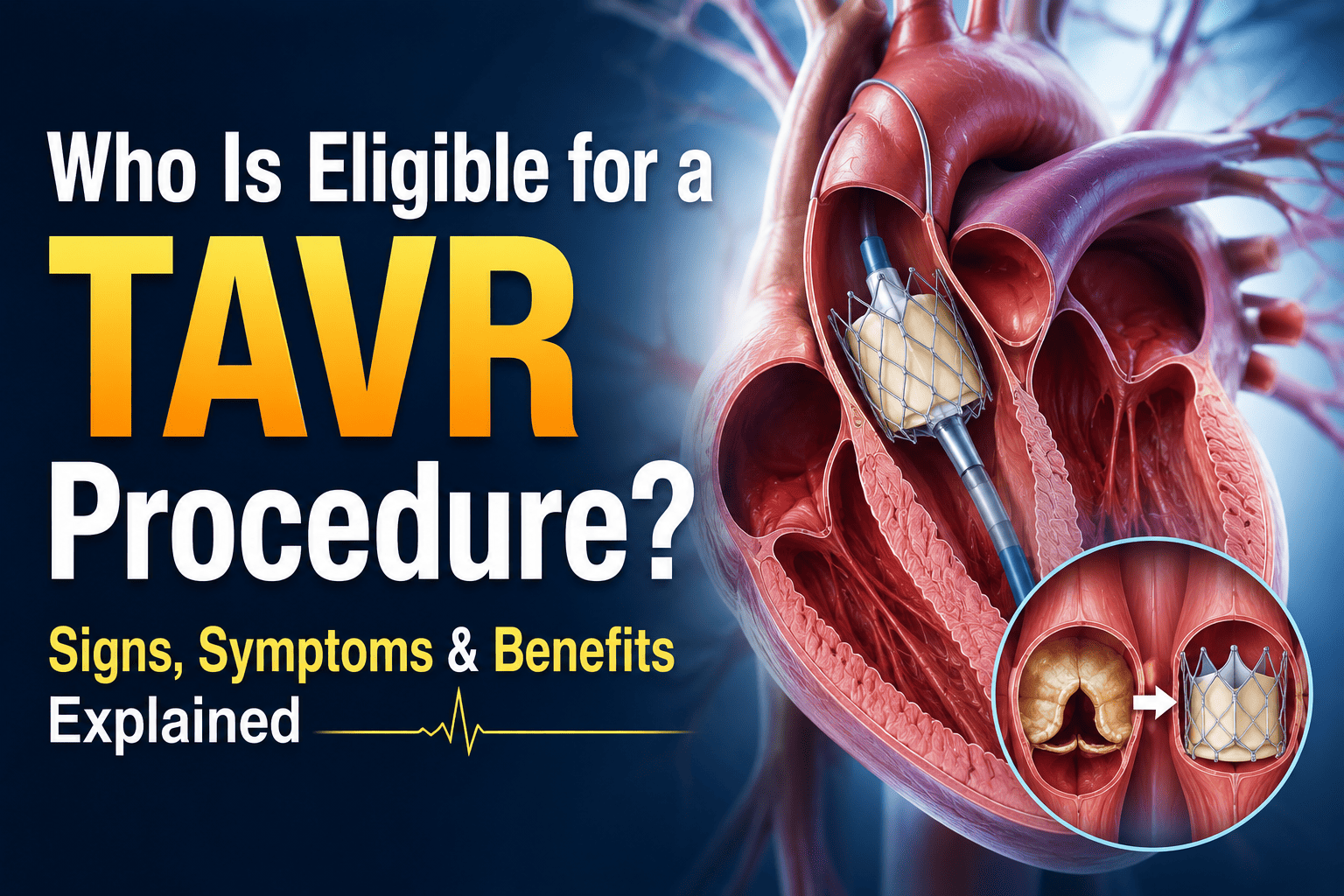
TAVR, also known as Transcatheter Aortic Valve Replacement, is a minimally invasive heart procedure used to replace a damaged or narrowed aortic valve without open-heart surgery.
Instead of opening the chest, doctors insert a catheter through a blood vessel—usually in the leg—and guide a replacement valve to the heart.
Today, many patients choose TAVR because it offers:
- Smaller incisions
- Faster recovery
- Reduced hospital stay
- Lower surgical risk
A best interventional cardiologist in Hyderabad may recommend TAVR for patients who are not ideal candidates for traditional valve replacement surgery.
What Is Aortic Stenosis?
Aortic stenosis occurs when the aortic valve becomes stiff or narrowed, making it difficult for blood to flow properly from the heart to the body.
This condition forces the heart to work harder and can eventually lead to serious complications if left untreated.
Common causes include:
- Age-related calcium buildup
- Congenital heart defects
- Rheumatic heart disease
Signs and Symptoms of Aortic Stenosis
In the early stages, symptoms may be mild or unnoticed. As the condition progresses, warning signs become more noticeable.
Common symptoms include:
- Chest pain or pressure
- Shortness of breath
- Fatigue or weakness
- Dizziness or fainting
- Rapid or irregular heartbeat
- Reduced ability to exercise
A top cardiologist in Hyderabad recommends immediate evaluation if these symptoms persist, especially in older adults.
Who Is Eligible for a TAVR Procedure?
Not everyone with heart valve disease requires TAVR. Doctors carefully evaluate patients to determine if they are suitable candidates.
Patients who may be eligible include:
Individuals with Severe Aortic Stenosis
Patients diagnosed with severe narrowing of the aortic valve are primary candidates.
Older Adults
TAVR is commonly recommended for elderly patients who may face higher risks with open-heart surgery.
High-Risk Surgical Patients
People with conditions such as diabetes, kidney disease, or lung problems may benefit from minimally invasive treatment.
Patients with Previous Heart Surgery
TAVR may be suitable for individuals who have already undergone cardiac procedures.
Patients Experiencing Symptoms
People with symptoms like chest pain, breathlessness, or fainting are often evaluated for TAVR.
A heart specialist in Hyderabad will usually perform detailed diagnostic tests before deciding on treatment.
Tests Used to Determine Eligibility
Before recommending TAVR, cardiologists conduct several evaluations to assess heart function and overall health.
Common tests include:
- Echocardiogram
- CT scan
- Cardiac catheterization
- Blood tests
- Electrocardiogram (ECG)
These tests help determine the severity of valve disease and whether TAVR is the right option.
How Is the TAVR Procedure Performed?
TAVR is performed in a specialized cardiac catheterization lab.
The procedure generally involves:
- Inserting a catheter through an artery in the leg
- Guiding the catheter to the heart
- Positioning the replacement valve inside the damaged valve
- Expanding the new valve to restore blood flow
The procedure usually takes a few hours and is performed under sedation or anesthesia.
An experienced best cardiologist in Hyderabad uses advanced imaging and interventional techniques to ensure precision and safety.
Benefits of TAVR Procedure
TAVR offers several advantages over traditional surgery.
Key benefits include:
- Minimally invasive treatment
- Faster recovery time
- Smaller incisions
- Reduced hospital stay
- Less pain and discomfort
- Improved quality of life
Many patients experience significant improvement in breathing, energy levels, and daily activity after the procedure.
Recovery After TAVR
Recovery after TAVR is usually faster compared to open-heart surgery.
Most patients:
- Walk within a day
- Stay in the hospital for a short period
- Return to normal activities relatively quickly
However, follow-up care is important to monitor heart function and recovery progress.
Risks and Complications
Although TAVR is considered safe, like any medical procedure it carries some risks.
Possible complications may include:
- Bleeding
- Infection
- Irregular heartbeat
- Blood vessel damage
- Stroke (rare)
Choosing an experienced interventional cardiologist in Hyderabad helps reduce these risks significantly.
When Should You Consult a Cardiologist?
Do not ignore symptoms such as:
- Persistent chest pain
- Breathlessness
- Fainting episodes
- Fatigue during daily activities
Early diagnosis and treatment can prevent serious complications and improve long-term outcomes.
Conclusion
TAVR has transformed the treatment of severe aortic stenosis by offering a safer and less invasive alternative to traditional surgery. For eligible patients, it can significantly improve heart function, quality of life, and recovery time.
If you or a loved one experiences symptoms of heart valve disease, consulting a top cardiologist in Hyderabad can help determine whether TAVR is the right treatment option.
Early medical care and timely intervention are essential for protecting long-term heart health.
FAQs
What is the success rate of TAVR?
TAVR has a high success rate and is widely used to treat severe aortic stenosis.
Is TAVR safer than open-heart surgery?
For many high-risk patients, TAVR is considered a safer and less invasive alternative.
How long does TAVR recovery take?
Most patients recover faster compared to traditional surgery and resume normal activities within weeks.
Can younger patients undergo TAVR?
Eligibility depends on valve condition, overall health, and cardiologist evaluation.
Comments

Be the first to Comment
Latest Post
-
⇨What Is Angioplasty? Types, Procedure, Risks & Recovery
-
⇨How to Differentiate Heartburn from a Heart Attack
-
⇨ECG Test Explained What It Detects How to Read Your Report and When You Need One
-
⇨What Are Heart Palpitations Causes Symptoms and When to Worry
-
⇨Pacemaker Implantation: Everything You Need to Know About This Life-Saving Heart Procedure
-
⇨10 Essential Lifestyle Changes for a Healthy Heart
-
⇨Age-Wise Heart Health Guide: Protecting Your Heart in Your 30s, 40s, and 50s
-
⇨Who Is Eligible for a TAVR Procedure? Signs, Symptoms & Benefits Explained
-
⇨5 Reasons to Watch Your Weight for a Healthier Heart
-
⇨How Smoking Affects Your Heart and Blood Vessels
-
⇨Why Heart Attacks Are Becoming Common in Desk Job Employees
-
⇨Diabetes and Heart Health: Risks, Symptoms & Prevention Tips
-
⇨Work Stress & Heart Disease: Warning Signs, Risks, and Prevention Tips
-
⇨When Should You Consult a Cardiac Surgeon in Hyderabad?
-
⇨Heat and Heart Health: What You Need to Know This Summer
-
⇨Angioplasty Treatment in Hyderabad – Complete Guide
-
⇨Best Interventional Cardiologist in Hyderabad for Acute Heart Failure Treatment
-
⇨Foods to Be Avoided by Heart Patients
-
⇨Cholesterol Levels: Safe HDL & LDL Ranges for Heart Health
-
⇨The Ultimate Guide to Finding the Best Cardiologist in Hyderabad

Leave a reply