
Call us for any question
8500003104Meds Super Speciality Hospital
MallepallyTimings: 7 pm to 10 pm
mohammed4248asif@gmail.com



Blog s
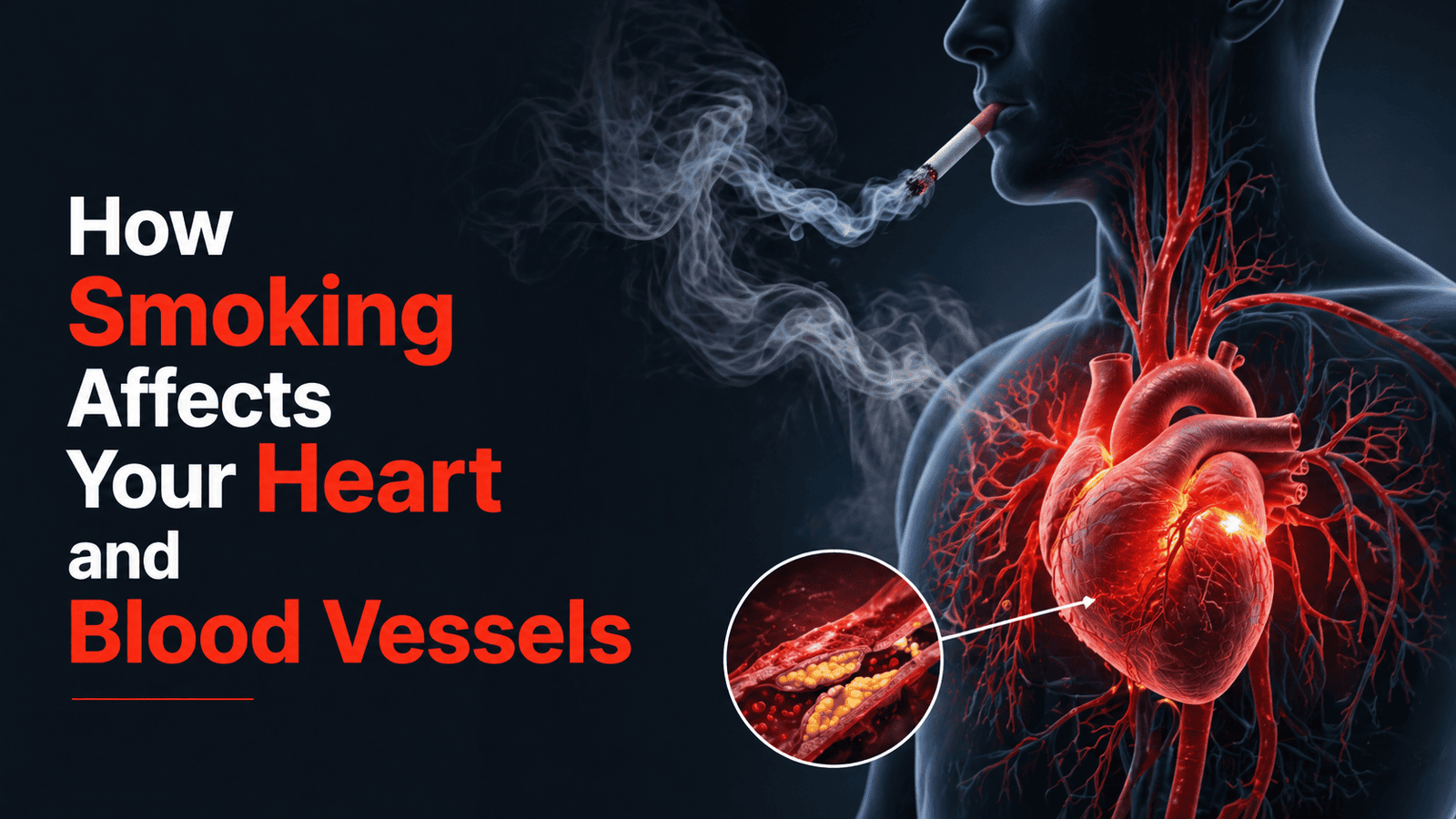
How Smoking Affects Your Heart and Blood Vessels
Updated at: 30 Apr 2026
Smoking doesn’t just harm your lungs—it has a direct, damaging effect on your heart and blood vessels. Cardiovascular disease is one of the leading causes of death, and tobacco use is a major contributor. According to insights shared by the best cardiologist in Hyderabad, even occasional smoking can significantly increase your risk of heart attack and stroke.
This blog explains how smoking affects your cardiovascular system and why quitting is one of the most important steps you can take for long-term heart health.
What Happens to Your Body When You Smoke?
When you smoke, thousands of toxic chemicals enter your bloodstream. These include nicotine and carbon monoxide, both of which negatively impact your heart.
Within minutes of smoking:
- Heart rate increases
- Blood pressure rises
- Oxygen levels drop
A heart specialist in Hyderabad notes that repeated exposure to these effects causes long-term damage to the cardiovascular system.
How Smoking Damages Blood Vessels
Healthy blood vessels are flexible and allow smooth blood flow. Smoking damages the inner lining of these vessels, making them stiff and narrow.
Key effects include:
- Reduced blood circulation
- Increased artery stiffness
- Higher risk of blood clot formation
A top cardiologist in Hyderabad often highlights that damaged blood vessels are a major cause of heart disease in smokers.
Smoking and Artery Blockage
Smoking accelerates a condition called atherosclerosis, where plaque builds up inside the arteries.
This happens because smoking:
- Increases bad cholesterol (LDL)
- Reduces good cholesterol (HDL)
- Causes inflammation in blood vessels
In severe cases, an interventional cardiologist in Hyderabad may need to perform procedures like angioplasty to restore blood flow.
Increased Risk of Heart Attack
Smoking increases the likelihood of heart attack by promoting blood clots and reducing blood supply to the heart.
When arteries become blocked:
- Oxygen cannot reach the heart
- Heart muscle gets damaged
- Emergency treatment becomes necessary
According to the best cardiologist in Hyderabad, smokers are at a much higher risk of sudden cardiac events compared to non-smokers.
Smoking and High Blood Pressure
Nicotine causes blood vessels to constrict, leading to high blood pressure. Over time, this puts extra strain on the heart.
A heart specialist in Hyderabad explains that uncontrolled blood pressure can lead to:
- Heart disease
- Stroke
- Kidney damage
Reduced Oxygen Supply
Carbon monoxide from cigarette smoke reduces the oxygen-carrying capacity of blood. This forces the heart to work harder to supply oxygen to the body.
This results in:
- Increased heart workload
- Fatigue
- Long-term heart damage
Long-Term Effects on the Heart
Smoking increases the risk of several serious conditions:
- Coronary artery disease
- Heart attack
- Stroke
- Peripheral artery disease
- Heart failure
A top cardiologist in Hyderabad emphasizes that long-term smokers often require advanced cardiac care due to these risks.
Benefits of Quitting Smoking
The body begins to recover quickly after quitting smoking.
Recovery timeline:
- 20 minutes: Heart rate normalizes
- 24 hours: Risk of heart attack begins to decrease
- 1 year: Risk of heart disease reduces significantly
- 5 years: Stroke risk drops
The best cardiologist in Hyderabad strongly recommends quitting smoking to improve heart health and overall well-being.
Tips to Quit Smoking
Quitting smoking can be challenging, but the benefits are life-changing.
Helpful steps:
- Set a quit date
- Avoid triggers
- Stay physically active
- Seek professional help
- Use nicotine replacement therapy if needed
Consulting a heart specialist in Hyderabad can provide additional guidance and support.
When Should You See a Cardiologist?
If you smoke or have a history of smoking, regular heart checkups are important.
Consult a cardiologist if you experience:
- Chest pain
- Shortness of breath
- Fatigue
- Irregular heartbeat
Early diagnosis by a top cardiologist in Hyderabad can help prevent serious complications.
Conclusion
Smoking has a powerful and harmful effect on your heart and blood vessels. It damages arteries, increases blood pressure, and raises the risk of life-threatening conditions like heart attacks and strokes.
The good news is that quitting smoking can significantly improve your heart health. With proper lifestyle changes and guidance from the best cardiologist in Hyderabad, you can reduce your risk and lead a healthier life.
FAQs
How does smoking affect the heart?
Smoking damages blood vessels, increases blood pressure, and reduces oxygen supply, leading to heart disease.
Can quitting smoking improve heart health?
Yes, quitting smoking reduces the risk of heart disease and improves overall cardiovascular function.
Is occasional smoking harmful?
Yes, even occasional smoking increases cardiovascular risk.
How soon does the heart improve after quitting?
Improvements begin within minutes and continue over time.
Comments

Be the first to Comment
Latest Post
-
⇨What Is Angioplasty? Types, Procedure, Risks & Recovery
-
⇨How to Differentiate Heartburn from a Heart Attack
-
⇨ECG Test Explained What It Detects How to Read Your Report and When You Need One
-
⇨What Are Heart Palpitations Causes Symptoms and When to Worry
-
⇨Pacemaker Implantation: Everything You Need to Know About This Life-Saving Heart Procedure
-
⇨10 Essential Lifestyle Changes for a Healthy Heart
-
⇨Age-Wise Heart Health Guide: Protecting Your Heart in Your 30s, 40s, and 50s
-
⇨Who Is Eligible for a TAVR Procedure? Signs, Symptoms & Benefits Explained
-
⇨5 Reasons to Watch Your Weight for a Healthier Heart
-
⇨How Smoking Affects Your Heart and Blood Vessels
-
⇨Why Heart Attacks Are Becoming Common in Desk Job Employees
-
⇨Diabetes and Heart Health: Risks, Symptoms & Prevention Tips
-
⇨Work Stress & Heart Disease: Warning Signs, Risks, and Prevention Tips
-
⇨When Should You Consult a Cardiac Surgeon in Hyderabad?
-
⇨Heat and Heart Health: What You Need to Know This Summer
-
⇨Angioplasty Treatment in Hyderabad – Complete Guide
-
⇨Best Interventional Cardiologist in Hyderabad for Acute Heart Failure Treatment
-
⇨Foods to Be Avoided by Heart Patients
-
⇨Cholesterol Levels: Safe HDL & LDL Ranges for Heart Health
-
⇨The Ultimate Guide to Finding the Best Cardiologist in Hyderabad

Leave a reply