
Call us for any question
8500003104Meds Super Speciality Hospital
MallepallyTimings: 7 pm to 10 pm
mohammed4248asif@gmail.com



Blog s
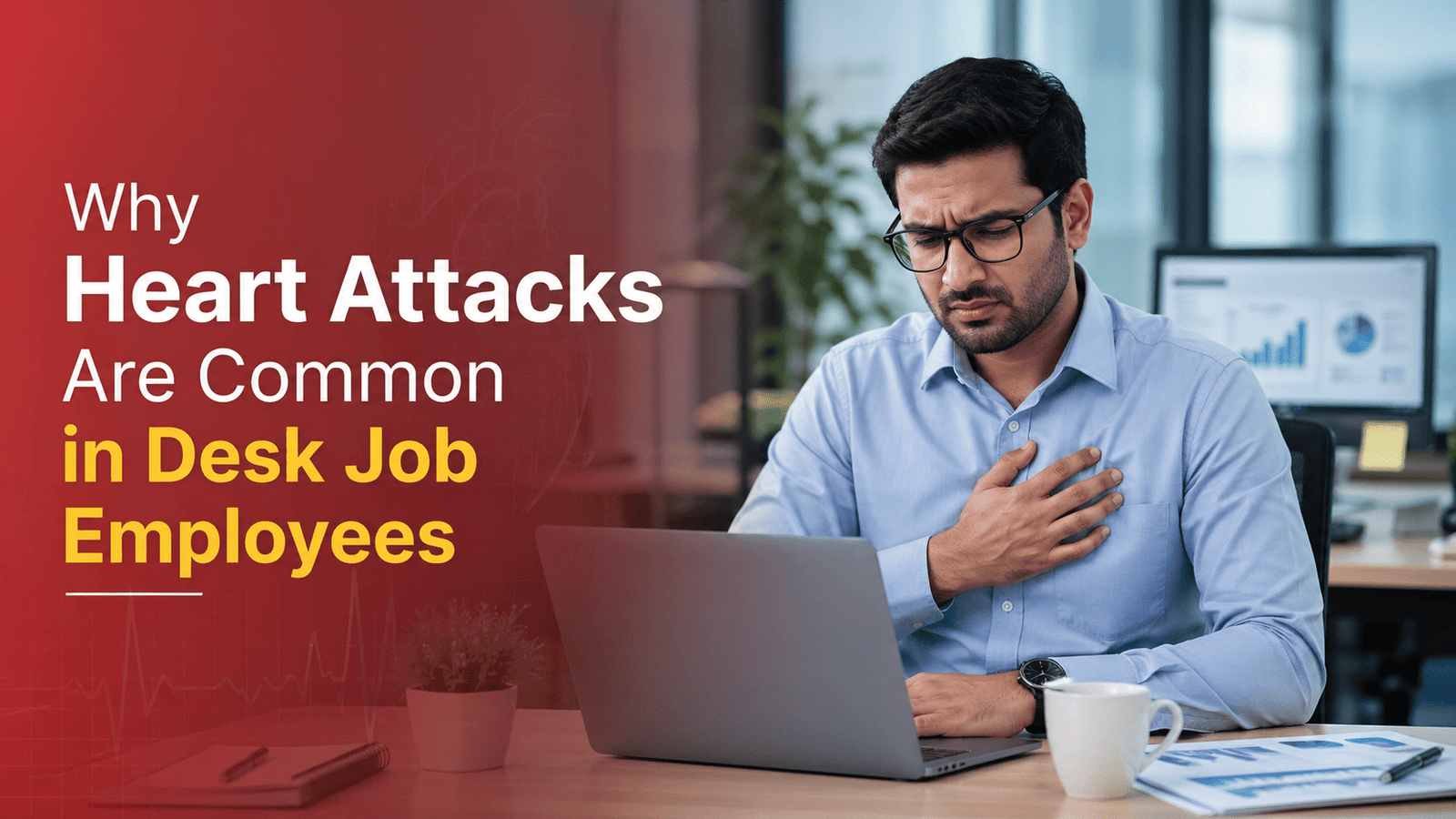
Why Heart Attacks Are Becoming Common in Desk Job Employees
Updated at: 30 Apr 2026
In today’s fast-paced corporate world, desk jobs have become the norm. While they may seem physically less demanding, they come with hidden health risks—especially for the heart. Increasingly, medical experts and the best cardiologist in Hyderabad are observing a rise in heart-related issues among office employees, even at a younger age.
A sedentary lifestyle, combined with stress, poor diet, and lack of physical activity, is significantly increasing the risk of heart attacks among desk job professionals. Understanding these risks is the first step toward prevention.
The Sedentary Lifestyle Problem
One of the biggest concerns associated with desk jobs is prolonged sitting. Many professionals spend 8–10 hours a day seated, with very little physical movement.
According to insights shared by a top cardiologist in Hyderabad, long hours of inactivity can lead to:
- Poor blood circulation
- Increased cholesterol levels
- Weight gain
- Higher risk of diabetes
Over time, these conditions contribute to artery blockage, increasing the likelihood of a heart attack.
Lack of Physical Activity
Desk job employees often struggle to incorporate movement into their daily routine. This lack of activity weakens the heart and reduces overall fitness levels.
A heart specialist in Hyderabad often advises that reduced physical activity can:
- Slow metabolism
- Increase fat accumulation
- Reduce cardiovascular efficiency
Even small movements throughout the day can make a big difference in maintaining heart health.
Chronic Stress and Work Pressure
High-pressure work environments are another major contributor to heart problems. Tight deadlines, long working hours, and job-related stress can take a toll on cardiovascular health.
Medical experts, including the best cardiologist in Hyderabad, highlight that chronic stress can:
- Increase blood pressure
- Raise heart rate
- Trigger unhealthy habits like smoking or overeating
- Disrupt sleep patterns
Over time, unmanaged stress significantly increases the risk of heart disease.
Unhealthy Eating Habits
Busy work schedules often lead to poor food choices. Many desk job employees rely on:
- Fast food
- Processed snacks
- Sugary drinks
- Irregular meal patterns
A top cardiologist in Hyderabad emphasizes that such eating habits can lead to obesity, high cholesterol, and diabetes—key risk factors for heart attacks.
Lack of Sleep
Sleep is essential for maintaining heart health, but many professionals sacrifice it due to workload or screen exposure.
Poor sleep can:
- Increase blood pressure
- Affect hormone balance
- Raise stress levels
- Increase risk of heart disease
Experts recommend 7–8 hours of quality sleep to maintain cardiovascular health.
Weight Gain and Obesity
A sedentary lifestyle combined with unhealthy eating habits often leads to gradual weight gain.
Excess weight increases the risk of:
- High blood pressure
- Diabetes
- Heart disease
- Cholesterol imbalance
According to a heart specialist in Hyderabad, maintaining a healthy weight is crucial for preventing heart attacks.
Smoking and Lifestyle Habits
Stress often leads individuals to adopt harmful habits such as smoking or excessive alcohol consumption.
Smoking, in particular:
- Damages blood vessels
- Reduces oxygen supply
- Increases heart attack risk
A best cardiologist in Hyderabad strongly advises quitting smoking as one of the most effective steps toward improving heart health.
Early Warning Signs Often Ignored
One of the biggest challenges is that desk job employees tend to ignore early symptoms due to busy schedules.
Common warning signs include:
- Chest discomfort
- Shortness of breath
- Fatigue
- Pain in arms, neck, or jaw
- Dizziness
A top cardiologist in Hyderabad recommends immediate medical consultation if any of these symptoms occur.
How to Reduce Heart Attack Risk
The good news is that heart disease is largely preventable with simple lifestyle changes.
Stay Active
Take short breaks every hour to walk or stretch.
Exercise Regularly
Engage in at least 30 minutes of physical activity daily.
Eat Healthy
Include fruits, vegetables, whole grains, and lean proteins in your diet.
Manage Stress
Practice meditation, yoga, or breathing exercises.
Sleep Well
Maintain a consistent sleep schedule.
Avoid Smoking
Quit smoking and limit alcohol intake.
Regular Health Checkups
Routine checkups with a heart specialist in Hyderabad can help detect early risk factors.
Workplace Tips for Better Heart Health
Small changes at work can significantly improve your health:
- Use stairs instead of elevators
- Stand while taking calls
- Take walking breaks
- Stay hydrated
- Maintain proper posture
Following these habits can help reduce the long-term impact of a sedentary lifestyle.
Conclusion
Heart attacks are no longer limited to older individuals. Desk job employees are increasingly at risk due to sedentary lifestyles, stress, and unhealthy habits.
The key to prevention lies in awareness and proactive lifestyle changes. Regular exercise, a balanced diet, stress management, and routine checkups with the best cardiologist in Hyderabad can significantly reduce your risk.
Taking care of your heart today ensures a healthier tomorrow—even while working at your desk.
FAQs
Why are heart attacks increasing among office workers?
Sedentary lifestyle, stress, poor diet, and lack of exercise are the main reasons.
Can sitting too long affect heart health?
Yes, prolonged sitting reduces blood circulation and increases cardiovascular risk.
How often should desk workers exercise?
At least 30 minutes daily along with short breaks during work hours.
When should I consult a cardiologist?
If you experience symptoms like chest pain, fatigue, or breathlessness, consult a cardiologist immediately.
Comments

Be the first to Comment
Latest Post
-
⇨What Is Angioplasty? Types, Procedure, Risks & Recovery
-
⇨How to Differentiate Heartburn from a Heart Attack
-
⇨ECG Test Explained What It Detects How to Read Your Report and When You Need One
-
⇨What Are Heart Palpitations Causes Symptoms and When to Worry
-
⇨Pacemaker Implantation: Everything You Need to Know About This Life-Saving Heart Procedure
-
⇨10 Essential Lifestyle Changes for a Healthy Heart
-
⇨Age-Wise Heart Health Guide: Protecting Your Heart in Your 30s, 40s, and 50s
-
⇨Who Is Eligible for a TAVR Procedure? Signs, Symptoms & Benefits Explained
-
⇨5 Reasons to Watch Your Weight for a Healthier Heart
-
⇨How Smoking Affects Your Heart and Blood Vessels
-
⇨Why Heart Attacks Are Becoming Common in Desk Job Employees
-
⇨Diabetes and Heart Health: Risks, Symptoms & Prevention Tips
-
⇨Work Stress & Heart Disease: Warning Signs, Risks, and Prevention Tips
-
⇨When Should You Consult a Cardiac Surgeon in Hyderabad?
-
⇨Heat and Heart Health: What You Need to Know This Summer
-
⇨Angioplasty Treatment in Hyderabad – Complete Guide
-
⇨Best Interventional Cardiologist in Hyderabad for Acute Heart Failure Treatment
-
⇨Foods to Be Avoided by Heart Patients
-
⇨Cholesterol Levels: Safe HDL & LDL Ranges for Heart Health
-
⇨The Ultimate Guide to Finding the Best Cardiologist in Hyderabad

Leave a reply