
Call us for any question
8500003104Meds Super Speciality Hospital
MallepallyTimings: 7 pm to 10 pm
mohammed4248asif@gmail.com



Blog s
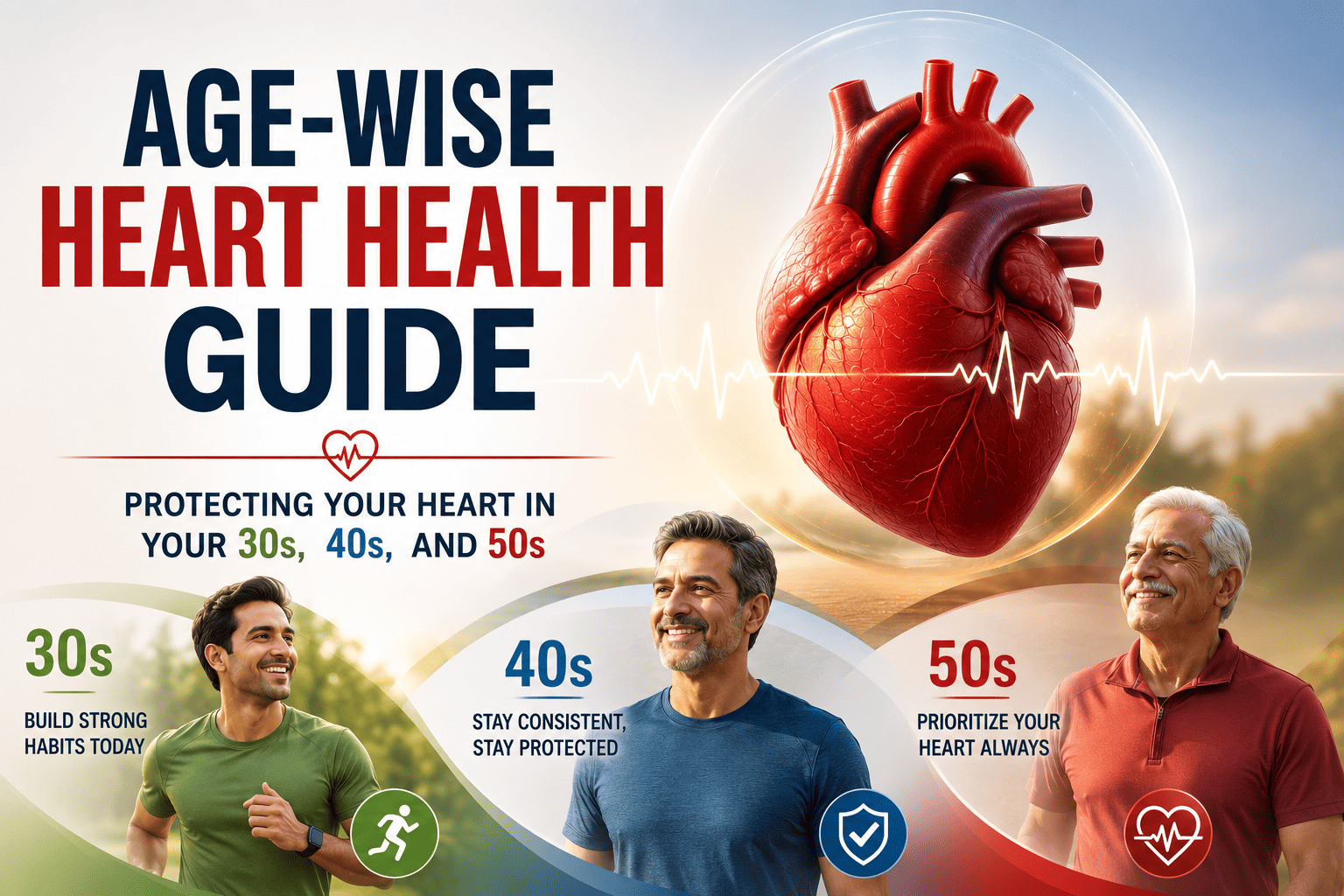
Age-Wise Heart Health Guide: Protecting Your Heart in Your 30s, 40s, and 50s
Updated at: 16 May 2026
Your heart works continuously every second of your life, pumping blood and oxygen throughout the body. However, as you age, your heart health needs change. Lifestyle habits, stress, diet, and medical conditions can all affect cardiovascular health differently in your 30s, 40s, and 50s.
The good news is that heart disease is largely preventable. By understanding age-specific risks and adopting healthy habits early, you can protect your heart and reduce the risk of serious conditions later in life.
This age-wise heart health guide explains how to take care of your heart at every stage of adulthood.
Heart Health in Your 30s
Your 30s are often a busy phase of life with growing careers, family responsibilities, and increased stress. While many people feel healthy during this decade, unhealthy habits can silently begin affecting the heart.
Common Heart Health Risks in Your 30s
- Sedentary lifestyle
- Stress and anxiety
- Poor eating habits
- Smoking and alcohol consumption
- Weight gain
Even though heart disease symptoms are less common at this age, the early stages of artery damage and high cholesterol can begin developing.
Heart Care Tips for Your 30s
Stay Physically Active
Aim for at least 30 minutes of exercise most days of the week. Activities like walking, jogging, cycling, or swimming improve circulation and strengthen the heart.
Maintain a Healthy Diet
Reduce processed foods and include more:
- Fruits and vegetables
- Whole grains
- Lean proteins
- Healthy fats
Manage Stress
Chronic stress can increase blood pressure and affect heart health. Meditation, yoga, and regular relaxation can help manage stress effectively.
Avoid Smoking
Smoking damages blood vessels and increases the risk of heart disease even at a young age.
Get Routine Checkups
Monitoring blood pressure, cholesterol, and blood sugar levels early can help detect potential risks.
Heart Health in Your 40s
In your 40s, the risk of heart disease begins to increase more noticeably. Metabolism slows down, stress levels may remain high, and underlying conditions such as high blood pressure or diabetes may start appearing.
Common Heart Health Risks in Your 40s
- High cholesterol
- High blood pressure
- Diabetes
- Obesity
- Increased stress levels
Many people begin experiencing warning signs like fatigue, breathlessness, or chest discomfort during this stage.
Heart Care Tips for Your 40s
Prioritize Regular Health Screenings
Routine checkups become even more important. Monitor:
- Blood pressure
- Cholesterol levels
- Blood sugar
- Weight and BMI
Improve Your Diet Further
Reduce salt, sugar, and unhealthy fats. Focus on heart-friendly foods rich in fiber and antioxidants.
Exercise Consistently
Strength training combined with cardio helps maintain healthy weight and cardiovascular fitness.
Improve Sleep Quality
Poor sleep increases the risk of high blood pressure and heart disease. Aim for 7–8 hours of quality sleep each night.
Limit Alcohol and Smoking
Reducing these habits significantly improves heart health and circulation.
Heart Health in Your 50s
By your 50s, maintaining heart health becomes even more important. The risk of heart attacks, artery blockage, and cardiovascular disease increases significantly during this decade.
Hormonal changes, aging blood vessels, and long-term lifestyle habits all affect heart function.
Common Heart Health Risks in Your 50s
- Coronary artery disease
- Atherosclerosis (artery blockage)
- Heart attack risk
- Reduced physical activity
- Weight gain and metabolic disorders
Early detection and preventive care are critical at this stage.
Heart Care Tips for Your 50s
Focus on Heart-Healthy Living
Lifestyle changes become essential for long-term cardiovascular protection.
Monitor Symptoms Carefully
Do not ignore symptoms such as:
- Chest pain
- Shortness of breath
- Fatigue
- Irregular heartbeat
Stay Active Safely
Low-impact exercises such as walking, yoga, and swimming are excellent for maintaining heart health.
Control Existing Medical Conditions
Managing diabetes, blood pressure, and cholesterol is crucial to reducing complications.
Schedule Regular Cardiac Checkups
Heart screenings and evaluations help detect issues before they become serious.
Healthy Habits That Benefit Every Age
Regardless of age, certain lifestyle habits are universally beneficial for heart health.
Eat a Balanced Diet
Focus on nutritious foods that support circulation and heart function.
Exercise Regularly
Physical activity strengthens the heart and improves blood flow.
Maintain Healthy Weight
Excess weight increases the risk of cardiovascular disease.
Stay Hydrated
Proper hydration supports healthy circulation and blood pressure.
Avoid Tobacco
Smoking remains one of the leading causes of heart disease.
Manage Stress
Long-term stress negatively impacts heart health.
Warning Signs You Should Never Ignore
At any age, seek medical attention if you experience:
- Chest discomfort
- Sudden shortness of breath
- Dizziness or fainting
- Pain in arms, neck, or jaw
- Unusual fatigue
Early diagnosis and treatment can prevent serious complications.
Importance of Preventive Heart Care
Preventive care is one of the most effective ways to reduce the risk of heart disease.
Regular screenings help detect:
- High cholesterol
- High blood pressure
- Diabetes
- Early artery blockage
The earlier these conditions are identified, the easier they are to manage.
Conclusion
Your heart health changes as you age, but taking proactive steps in your 30s, 40s, and 50s can significantly reduce the risk of cardiovascular disease.
Simple habits like healthy eating, regular exercise, stress management, and routine health checkups play a major role in protecting your heart for the long term.
No matter your age, it’s never too early—or too late—to start taking better care of your heart.
FAQs
At what age should I start focusing on heart health?
Heart health should be a priority from early adulthood, as risk factors can begin developing silently.
Are heart problems common in your 30s?
While less common, unhealthy lifestyle habits in your 30s can increase long-term cardiovascular risk.
How often should adults get heart checkups?
Regular annual checkups are recommended, especially after age 40.
What is the best exercise for heart health?
Walking, jogging, swimming, cycling, and yoga are excellent for maintaining cardiovascular fitness.
Comments

Be the first to Comment
Latest Post
-
⇨The Ultimate Roadmap to Recovery: Dos and Don’ts After Heart Bypass Surgery
-
⇨Prevent High Blood Pressure: Know the Risk Factors
-
⇨Cardiac Rehabilitation Benefits: How It Helps You Recover and Protect Your Heart
-
⇨Cardiac Catheterization: What It Is, Why It’s Done and What You Need to Know
-
⇨Exploring the Pacemaker Surgery Cost in Hyderabad: What You Need to Know
-
⇨How Long Do Heart Stents Last Long Term Outcomes Risks and Lifestyle Guidelines
-
⇨Can a Healthy Person Still Have Blocked Arteries? What You Need to Know
-
⇨Do You Really Need an Annual Heart Checkup?
-
⇨Angiogram vs Angioplasty: Which Procedure Do You Need?
-
⇨What to Expect After Heart Bypass Surgery: Recovery Dos and Don’ts
-
⇨What Causes VSD? Understanding Risk Factors, Symptoms, and Treatments
-
⇨How to Choose a Cardiologist in Hyderabad: Key Factors to Consider Before Your Visit
-
⇨Pacemaker Surgery Cost in Hyderabad: Complete Guide
-
⇨What Is Angioplasty? Types, Procedure, Risks & Recovery
-
⇨How to Differentiate Heartburn from a Heart Attack
-
⇨ECG Test Explained What It Detects How to Read Your Report and When You Need One
-
⇨What Are Heart Palpitations Causes Symptoms and When to Worry
-
⇨Pacemaker Implantation: Everything You Need to Know About This Life-Saving Heart Procedure
-
⇨10 Essential Lifestyle Changes for a Healthy Heart
-
⇨Age-Wise Heart Health Guide: Protecting Your Heart in Your 30s, 40s, and 50s

Leave a reply